Author: Admin team

  • New 2025 Study: High Zonulin Tracks Autism Severity – How to reduce it

    New 2025 Study: High Zonulin Tracks Autism Severity – How to reduce it

    Zonulin: The Marker Linking Inflammation and Autism Symptoms

    Back in 2019, Dr. Federico Balzola highlighted zonulin’s central role in gut barrier integrity and how gut inflammation can drive food sensitivities, frequent infections, eczema, anxiety, irritability, poor sleep, and shifts in focus or behaviour.
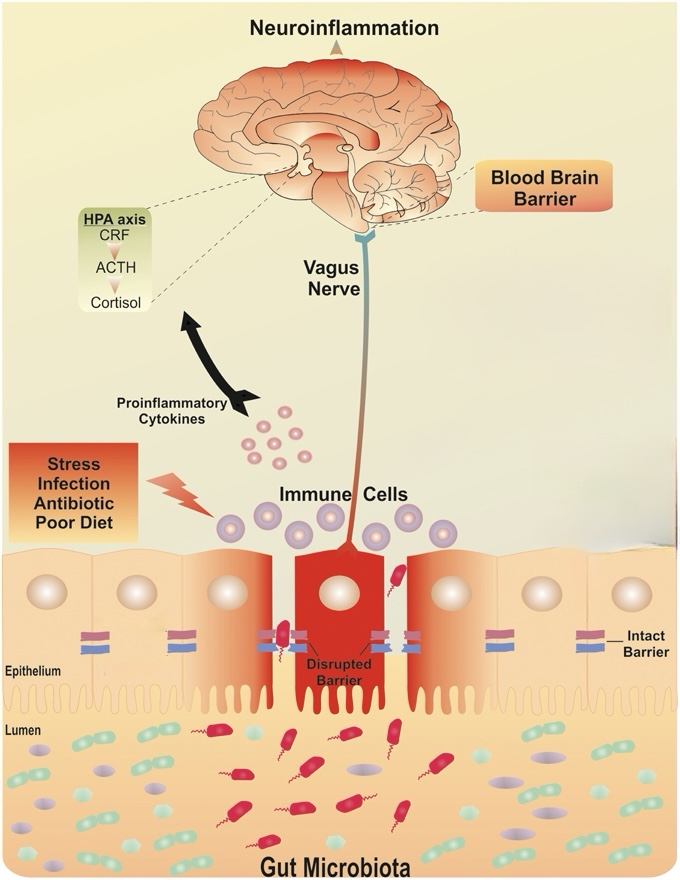
    What we also know: Zonulin signaling exists throughout the body, so shifts can affect multiple barriers, including the blood–brain barrier, not only the gut.

    Now, a 2025 case‑control study from Mansoura University Hospital confirmed the pattern: children with autism had significantly higher zonulin, and the higher the level, the more severe the symptoms.

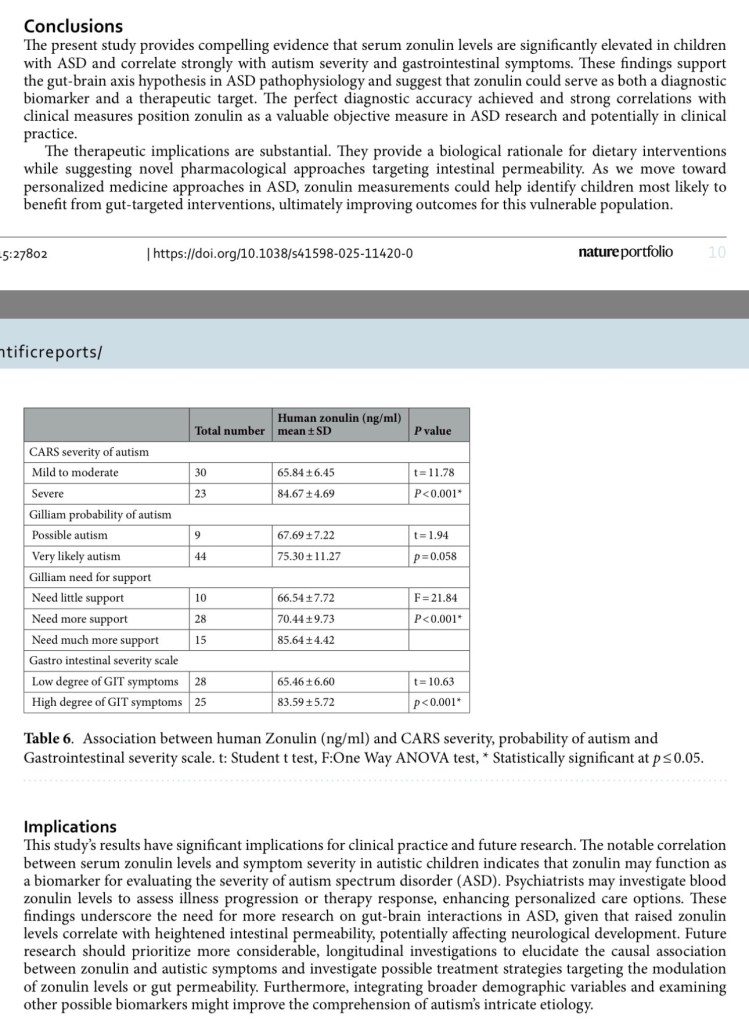
    See the full study here.

    Zonulin by the numbers:

    • Autistic children averaged 73 ng/ml
    • Neurotypical children averaged 22 ng/ml
    • Zonulin tracked with symptom severity with a very strong correlation (r = 0.9)


    What Zonulin Tells Us

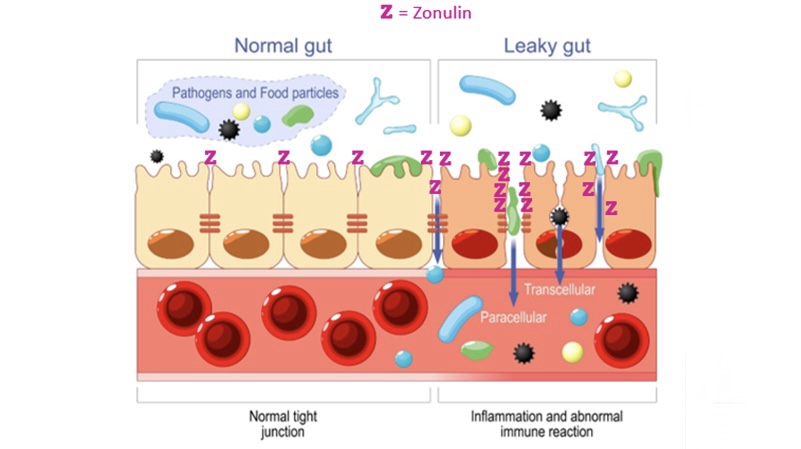
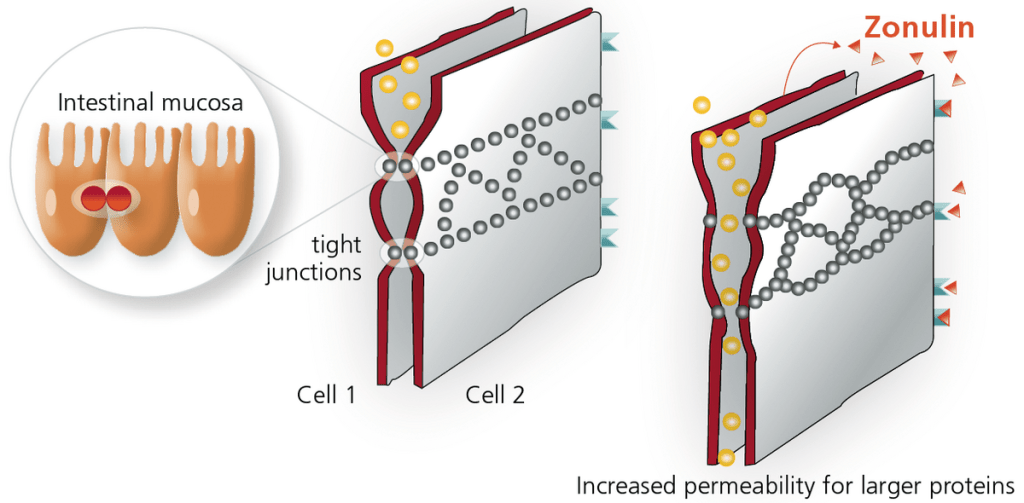
    Zonulin is the gate signal for tight junctions in barriers like the gut lining.

    The gut lining is made of tightly joined cells that decide what passes into the bloodstream.
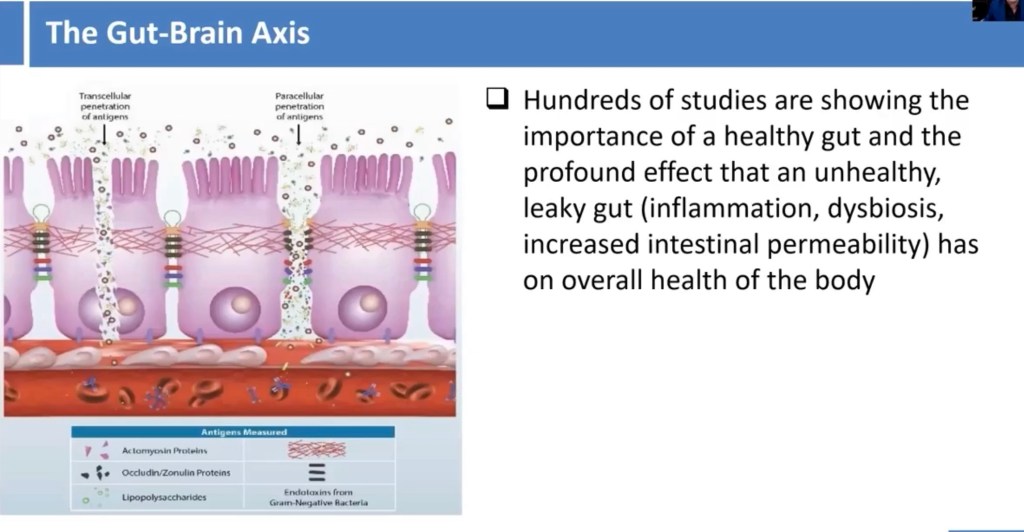
    When zonulin rises, those tight junctions loosen and the barrier leaks.

    Food fragments, microbes, and toxins can slip through, trigger immune activation, and inflammation spreads.

    Because tight‑junction signaling is systemic, these immune shifts can also affect brain function, which helps explain changes in mood, sleep, attention, and behavior.

    Gluten, microbial imbalance, and stress commonly push zonulin up; in some children the “open” signal lingers.


    In Daily Life

    Families often notice mood swings, irritability, hyperactivity, poor sleep, sensory overload, or regressions after illness or dietary exposures when the barrier is compromised.

    A Stool Test is available

    While the study used blood, several papers use stool zonulin as a practical way to assess intestinal permeability.

    Home collection is easy and gives a clear read on barrier tone. (How to order them is at the end of this post.)

    Including stool zonulin in gut‑brain assessments often explains years of confusion.

    Behaviours attributed purely to autism can have an inflammatory driver we can identify and address.

    High zonulin means the gate is open and inflammatory molecules are likely crossing. It gives us something real to act on.


    Why It Matters

    Zonulin levels help explain food reactivity, post‑infection setbacks, and why calming gut inflammation can steady sleep, focus, and mood.

    When the barrier seals, inflammation settles and children regain balance.

    What to do when Zonulin is High

    Remove Gut Triggers
    Gluten, casein, and processed foods commonly raise zonulin. Even small or hidden exposures can keep the gate open. Be strict while healing.

    Tame Dysbiosis
    Dysbiosis sustains inflammation.

    Instead of adding high‑fiber or raw foods that can irritate a damaged gut, use gentle, natural, low‑histamine foods that support balance:

    • Fresh‑cooked proteins, well‑cooked vegetables, simple carbs like squash or sweet potato if tolerated, and clean fats
    • Skip ferments and aged items at this point

    Also in this stage, KPV is a tool to directly reduce bacteria and fungi/yeast while also calming inflammation.

    From a group member:

    For more on KPV: https://diaryofrecovery.com/kpv
    • If die‑off symptoms show up, lower KPV and keep Larazotide (below) steady so debris doesn’t leak systemically; keep Gastrogen (below) alongside to protect the surface.
    • Our article on navigating die off is here.

    How to reduce Zonulin Levels

    Larazotide and Gastrogen are key players

    • Larazotide acetate: a tight‑junction modulator along the zonulin pathway that helps close the spaces between intestinal cells.
      • Its action is limited to several hours after dosing.
    • Gastrogen: a gastric mucin bioregulator that thickens the mucus layer and supports epithelial repair across stomach and intestines.
      • If reflux, lining issues, or post‑meal discomfort are prominent, Gastrogen restores the surface shield so micro‑healing can happen between meals and overnight.
    • Larazotide zips junctions while Gastrogen cushions and repairs the surface. They work well together.
    • Because zonulin pathways are systemic, signals can directly benefit the brain too.

    Older tools & why we skip them

    “Leaky gut stacks” containing supplements like butyrate are very often not well tolerated in sensitive kids and can backfire; these are not ideal for decreasing zonulin


    Track the Change

    Because zonulin is measurable, we can confirm improvement by labs if desired.

    Falling stool zonulin alongside calmer behaviour, better sleep, and fewer reactions shows the wall is sealing and inflammation is resolving.


    Bringing It All Together

    Hidden gut inflammation can drive neurological and behavioural symptoms, and the 2025 data reinforce it.

    Zonulin is not just another lab value, it’s a real‑time marker of how the gut is talking to the brain.

    When it’s high, the path for success is:

    • remove triggers
    • use gentle foods
    • close the gate with Larazotide
    • rebuild the mucus shield with Gastrogen
    • use KPV to control gut dysbiosis while inflammation settles.

    Purchasing these products

    Where to find Larazotide?

    There are very few places to get it over the counter.

    N Acetyl Larazotide is available from Limitless Life

    limitlesslifenootropics.com/product/n-acetyl-larazotide-amidate/

    Their coupon: QUALITY is for 20% off

    See this page for even more detail about the product

    (Limited time free shipping included with above coupon – In USA, but they also ship internationally)


    Where to find Gastrogen?

    Gastrogen is Available from Vita Stream 

    vita-stream.com/gastrogen-gastric-mucin-natural-peptide-bioregulator

    Their coupon: BIOREG10 is for 10% off, free shipping in the USA

    They also ship internationally


    Dosing

    See our dosing guides in either post below or here nestbiomed.com/dosing

    Typically begin with 1/8 capsule of each before meals.

    Gastrogen notes:

    Some people have mentioned it’s been stimulating. If so, keep it in small amounts, daytime only.

    As the gut mucin layer thickens, motility can temporarily slow for some. Solution is to reduce doses & keep hydration up.


    Find More info about each in our posts:


    Testing How To

    Watching physical symptoms is a method many patients use.

    If you want to test, you can ask a doctor or there are direct-to-consumer kits online. They’re reported to be easy and mail-in, but they can be pricey.

    How to get started and what to expect

    Search and Order:

    Google “zonulin stool test kit” or “leaky gut zonulin home test” on sites like Amazon, or go straight to lab sites (e.g., Verisana, Doctor’s Data via TrueHealthLabs, GetTested, or IFDW).

    Some to consider:

    Verisana Zonulin Stool Test (on Amazon): Collect a small stool sample at home, mail to their CLIA-certified lab. Results emailed in 2–3 weeks. We have not tried it, Link is here: https://a.co/d/7mpUZ1H – it does list Zonulin as part of the test in the description but you will want to check before ordering. Current price is $249

    • Gillett Health $597 – pricey but another option:

    https://gilletthealth.com/product/gi-map-test-zonulin/

    Doctor’s Data Zonulin Stool Test (via TrueHealthLabs.com): Similar process—kit ships to you, sample collection takes minutes, mail back. Results in about 2 weeks via secure email; 96–98% accurate via ELISA method.

    Others exist too – we are not recommending any, simply listing options rated highly by users.


    For personalized help 

    If you need a quick start up, let our Digital Mind tool help.

    She can guide you through making the best choices and ease the learning curve for all types of biomedical supports and more.

    Our Facebook Group members love this tool – take a look:

    To learn more: https://diaryofrecovery.com/dm


    For our other pages, see Contents:


    Recent Posts:

  • IVIG dupes? Swaps that surpass results! Treat PANS at home

    IVIG dupes? Swaps that surpass results! Treat PANS at home

    PANS / PANDAS Awareness Day is today, October 9. To all parents living with challenges, we are walking alongside and here to support you.

    🫶

    If you’ve ever weighed IVIG, you’ve likely also hit some walls: an anxious child, stories of brief gains that fade, side effects, relapses, insurance denials and cost obstacles. 

    You might be relieved to know parents can copy the mechanisms that make IVIG helpful and replicate them conveniently at home. 


    We will give you the direct map that can: 

    • reduce what’s provoking the immune system
    • calm innate fire and microglia, 
    • prevent collateral damage, 
    • repair barriers, 
    • regulate immune function, 
    • and give cells enough energy to hold the calmer pattern.

    What IVIG is doing when it helps → the matching swap

    1. Lowering immune “noise” and calming microglia / innate fire → KPV

    • KPV turns down NF‑kB cytokines and steadies mast cells so brain immune cells can stand down.
      • After triggers, parents see faster settling or no flare at all.
      • Approx start: a very small sprinkle, about 1/20 to 1/10 capsule per dose, 2 to 4 times daily.
      • See this post for more on KPV.
      • Bacterial & fungal die off can be a concern when starting KPV. See this detox post. Or consider instead starting with the gentler, Plavelle.

    2. Tilting toward regulation so spikes resolve faster → Selank

    • Selank reduces anxiety and supports flexibility / calmer responses so stress and transitions don’t reignite the loop.
      • This is the “don’t let it spiral” piece.
      • It also has antiviral properties and can help prevent flares from a viral trigger.
        • Use: 1 sublingual spray 1-2x daily (tailor to needs); onset in minutes, lasts hours.
        • See this post for more on Selank.
    Just one of many incredible PANS wins with Selank

    3. Holding the calmer pattern through the day → NAD+
    (a step beyond what IVIG can do)

    • NAD+ is a small molecule that supports mitochondrial energy, helps calm mast cells, and lowers danger signaling – so the IVIG‑like calm you created with KPV and Selank can actually hold.
      • 1 or 1/2 spray, sublingual AM, with food and TMG
      • If it feels like too much energy, skip a day.
      • See our NAD+ post for more info

    Why some choose this path even when IVIG is available

    IVIG helps when it lowers immune noise, calms microglia, and tilts the system toward resolution.

    But it’s a major commitment and added stress which is the last thing PANS families need.

    Some kids don’t respond to IVIG as hoped and too often results fade shortly afterward. New provocations keep the system stirred up, or cellular energy is too low to maintain the calmer set‑point.

    Because IVIG is a blood product, pooled from thousands of donors, some families have concerns about possible viral or other exposures. There are also side effects to research.

    •••

    At home – with much less time, stress, expense, and risk, parents can achieve the benefits – without having them fade (and even improve over time)

    To recap the the tools:

    KPV to lower the inflammatory signal

    Selank to support calm & regulation under stress, and

    NAD+ to help stability last by steadying mast cells and reducing danger signaling.

    Sequence

    All can be started around the same time. Beginning NAD+ and Selank prior to KPV can help any initial die off be more manageable.

    Go low & slow with KPV & NAD+ even the smallest doses are very effective.

    Dosing info page.

    Purchasing info page.


    A Parent Success story

    For even more

    You can find each of these within our broader PANS protocol <click to read.

    This protocol has brought benefits greatly surpassing IVIG.

    There are many children who are having no flares even when exposed to triggers.

    What’s the difference?

    In our longer posts, nuances are covered such as: aggression, acute illness (also at bottom of this page), and nervous system healing. We give simple, doable practices to lower background threat to heal even more efficiently.


    A final word on these Dupes

    Many families have been so awed by this simple trio.

    They want to shout from the rooftops with us that:

    📣 KPV, Selank and NAD+ have brought results far superior to IVIG.

    Kids are healing and families are thriving, so much so, we’re left wondering…

    Perhaps IVIG is the actual “dupe.” 🤔

    🤍


    Speaking of Dupes ~

    Be kind to yourself.

    Our custom trained digital mind tool can guide you through making the best choices and ease the learning curve for peptides and all other supports for our children and ourselves. 🪺


    Other Pages:


    Recent Posts

  • Plavelle Peptide: A Welcome Mat to Healing

    Plavelle Peptide: A Welcome Mat to Healing

    Think of this one as the hello your body may need before diving into more targeted peptide support. Or simply all on its own.

    By signaling our system to relax and repair, this peptide shapes a calmer terrain.


    Priced accessibly (about $60) it can be a start for newcomers who want to ease in to peptides without overwhelm or veteran users who want a maintenance plan.


    Plavelle can be the soft ground for your first steps toward greater healing and vitality.


    What it is

    • A natural mix of peptides from placental tissue that act as system‑wide messengers.
    • These messengers work as coordinators across your body, tuning immune responses, calming inflammation, and supporting repair and recovery.

    Perfect for illness prevention this upcoming cold / flu season


    What Plavelle does

    • It helps the immune system act smarter, defending efficiently and then settling back down instead of staying on high alert, which reduces reactivity and steadies the day‑to‑day.
    • It supports mild antimicrobial activity in a calm way, reducing problem microbes without stirring up autoimmune reactions, which is useful for people who flare when they start new tools.
    • It can lower inflammation and oxidative stress to protect cells and set the scene for natural repair.
    • It improves microcirculation and tissue healing, changes are reported in skin texture and scars.
    • It gently supports liver function and metabolism – speeds recovery and supports health & resilience.

    Liver support helps sticky stools, skin breakouts, chemical sensitivity and “sluggish detox,” easing bile flow and clearance – steadier whole body.


    Beyond the welcome mat

    • Sensitive people may choose to bring in KPV (potent antifungal, antimicrobial) after Plavelle peptide has helped them settle. This sequence can help their body better handle potential die off.
    • Adding alongside or before TB4‑Frag (tissue repair), Thymogen (immune booster) during tougher illness windows, or CogniPep (brain repair) can also be beneficial.

    Plavelle can also serve as essential maintenance

    • After the repair work and renovations with other peptides, it can be a maintenance plan for the body.
    • Plavelle quietly takes care of what was rebuilt including an even immune response so gains last and systems stay balanced over time or between focused phases.

    How we dose

    Approximate guide:

    • Start with 1/8 cap once, daytime, and make sure it goes well for you.

    • 1/8 – 1/4 cap, 2-3x per day, for 1 month

    • 1/8 – 1/4 cap, 1-2x per day, month 2

    • Taper off and restart as needed.

    Can use even less – experiment & tailor to your needs.

    It’s not tasteless, putting in another capsule or bite of food works well. 


    Where to buy

    The well trusted Vita Stream manufactures and sells this – made in the USA – 3rd party tested peptide:

    Plavelle Bioregulator at Vita Stream

    Coupon Code: BIOREG10

    • 10% off, Free Shipping in USA
    • International Shipping is Available

    A bit more info

    This one has already helped my daughter recover very quickly from a cold and is resulting in better stools.

    Some of it’s antimicrobial action is evidenced by less scalp bacteria (longer between hair washings) and calmer GI.

    It is an excellent starter choice for PANS support too.

    For the Immune System, Placenta peptides:

    • act as modulators. They help an efficient immune response without overstimulating, driving inflammation or autoimmunity. Smarter, not louder.
    • support antibacterial and antiviral defense. They can reduce pathogen load and limit spread, which indirectly calms overreactions.
    • lower excessive inflammatory signals (like TNF‑α) while supporting targeted responses. This protects cells under stress and helps balance return.
    • help communication between immune cells. They can increase signals like IL‑6 in a way that supports coordination and resolution.
    • recruit the right cells to the right place. Placenta‑expressed peptides (like β‑defensins and cathelicidins) help guide myeloid cells and lymphocytes, and modulate TLR signaling for a tailored response.

    Overall, innate defenses are supported (antimicrobial action), antiviral control is steadied (interferons), and the system aims to finish the job and settle.

    •••

    Repair and regeneration: healing with protection

    Placenta Peptides:

    • encourage tissue repair. They support cell migration, growth, and new blood vessel formation, which helps close wounds and rebuild skin and deeper tissues.
    • protect cells so repair can happen. By reducing oxidative stress and helping mitochondria stay connected and functional, they prevent damage that blocks healing.
    • support the scaffold and the signals. They help the extracellular matrix rebuild and activate growth pathways (like ERK1/2), while naturally present growth factors and cytokines in placental extracts add to the repair message.
    • shift gene expression toward repair, while their antimicrobial tone helps keep the area protected so healing stays on track.

    In short: these are gentle coordinators. They guide immunity to act wisely, protect cells under stress, and open the door for real repair—so your body can resolve, rebuild, and move forward with less drama.


    Want to know even more?

    Read this post at Diary of Recovery: Plavelle Peptide: Jack of many trades for proactive healing


    Also, here’s an example consult with plan for a child who has autism and is just starting out with peptides – see how Plavelle fits into the plan!


    🪺 For personalized help 

    You can consult with our digital mind tool. She can guide you through making the best choices and ease the learning curve for peptides and all other supports for our children.


    For other pages

    See Contents:

  • Leucovorin in Real Life: Wins, Backfires, and how to make it work better

    Leucovorin in Real Life: Wins, Backfires, and how to make it work better

    Leucovorin Simplified

    What it is

    Leucovorin is high dose folinic acid, a ready-to-use folate the body can put to work right away.

    It’s popular because many kids with autism or similar struggle with folate delivery and core chemistry that uses folate.

    How it helps (the mechanisms)

    • Gets folate into the brain even when transport or receptors are blocked, so the nervous system actually receives what it needs.
    • Feeds core chemistry that uses folate to run daily “housekeeping” in cells: making and repairing DNA/RNA, keeping membranes healthy, and supporting detox steps.
    • Helps the brain make and balance key neurotransmitters like dopamine, norepinephrine, and serotonin, which sets the stage for clearer language, steadier attention, calmer mood.
    • Supports fast‑turnover tissues like the gut lining and developing brain, which can reduce gut-immune irritation that often drives behavior spikes.

    Why some kids do well – but others get stirred up

    • It isn’t a magic bullet. Some children show clear gains; others get agitation, anxiety, wired/tired sleep, or amped behaviors.
    • A common reason for the “flip side” is methylation sensitivity. COMT and MTHFR status can change how a child handles folate and neurotransmitters.
      • Slow COMT means dopamine is cleared more slowly; a sudden boost in folate support can feel overstimulating.
      • These aren’t “detox” symptoms for many kids—they’re signs the dose or balance is too strong for that child’s wiring right now.

    A short phase of gut‑brain calming peptides (below) can lower background neuroinflammation and make later leucovorin trials smoother for methylation‑sensitive kids (more below)


    Can I just use plain folinic acid instead of Rx leucovorin?

    Yes. Over‑the‑counter folinic acid is often labeled as calcium folate, commonly 800 mcg per tablet. It’s the same class (folinic), just a smaller amount per pill.

    Dose comparison (OTC vs Rx)

    • 800 mcg folinic acid = 0.8 mg
    • 5 mg Rx leucovorin ≈ 6.25 of the 800 mcg OTC tablets

    Some people use OTC folinic to test tolerance and build gradually.

    Source Naturals Brand has been reliable, some begin with just 1/4 of a tablet.


    Why balancing nutrients matters

    • Folate works best when the terrain is calm and the right B vitamins are on board.
      • If B12 isn’t available in the right form for that child, or B6 (P5P) is low, folate inputs can unbalance the system and increase oxidative stress instead of bringing calm.
    • Matching B12 type to tolerance often smooths the ride.
    • If we ‘set the table’ first with peptides that reduce gut‑immune noise; once sleep, anxiety, and gut reactivity settle, leucovorin tends to be better tolerated.

    Gentler B12 strategies when leucovorin causes side effects

    • Start low, go slow. Don’t rush methyl donors in sensitive kids.
    • Try non‑methyl B12 first: hydroxocobalamin (calmer) and consider adenosylcobalamin for energy/mitochondrial support.
    • Keep B6 in the active P5P form so enzymes work without overpushing.
    • If side effects persist, pause folate inputs, stabilize (see below) then retry leucovorin at a smaller amount.

    Testing that can help tailor

    • If you’re going to invest in leucovorin, checking genetics like COMT (Val158Met) and MTHFR can be useful.
      • Results can guide your B12 form choice and how assertive to be with folate inputs.
    • Even with favorable genetics, a brief peptide ‘pre‑phase’ can still help—lowering microglial activation and gut leak before you introduce folate support.

    Bottom line

    Leucovorin helps by restoring usable folate to the brain and fueling the chemistry that runs neurotransmitters, cellular repair, and gut-brain steadiness.

    If a child is methylation sensitive, calm the terrain first (peptides), then adjust leucovorin slowly and pair it with the B12 form they tolerate to capture gains without the jitters.


    When to pause Leucovorin

    • Red flags of overstimulation: anxiety spikes, worse sleep, more intense or rapid‑cycling behaviors.
    • Use the pause to stabilize: Consider KPV peptide for gut‑immune irritation, Selank for nervous‑system calm, Larazotide (to close tight junctions) around meals, and small doses of NAD+ for clean energy – then retry leucovorin gently.

    Pivot / Other Approaches

    If Leucovorin stirs a child up or just isn’t tolerated, we can pivot to peptides as a starting point and reconsider Leucovorin when systems are functioning better.

    These can also hit similar “why it helps” targets:

    Brain signaling, gut-immune calm, and barrier support—without pushing methylation directly.


    Peptides to improve bodily systems – some reconsider Leucovorin after using:

    1. KPV (capsules or powder sublingual)
    • What it can bring: downstream calm in behavior, attention, and gut stability by reducing neuroinflammation and mast-cell irritation
      • Families often see clearer language and fewer behaviors when the brain isn’t inflamed.
    • How it’s different than leucovorin: it doesn’t feed folate/methylation. It works by anti-inflammatory and antimicrobial signaling in the gut-brain loop and can support nerve recovery.
      • Good for kids who get agitated on folate but calm on gut-first strategies. 
    1. CogniPep (oral blend of brain + vascular peptides)
    • What it can bring: cognitive clarity, language, focus, and steadier mood by supporting neuroprotection, connectivity, and blood flow to subcortical brain.
    • How it’s different than laucovorin: no folate pathway push. It’s gentle brain repair.
      • Can feel clearer and more even than methyl-based lifts, and we see carryover on days off. 
    1. Selank (spray used sublingually)
    • What it can bring: calmer nervous system, less anxiety/looping, smoother attention – often the exact issues that worsen when leucovorin overstimulates.
    • How it’s different than leucovorin: GABA-leaning neuropeptide with immune-modulating effects.
      • Doesn’t touch folate chemistry, so it suits methylation‑sensitive kids. 
    1. Larazotide Acetate (capsules, powder sublingual)
    • What it can bring: fewer behavior/gut flares by tightening gut tight junctions and keeping irritants from re-triggering the brain-immune loop.
    • How it’s different than leucovorin: not a builder; it’s a gatekeeper.
      • Helpful when leucovorin exposed a leaky-gut trigger and everything felt “amped.” Use before meals; it works while you take it. 
    1. Bioregulator peptides stack (organ-directed peptides)
    • Kidney, Liver, Adrenal, or Gastric mucin (Gastrogen) when reflux/gut lining is part of the picture.
    • What they can bring: steadier energy and mood (adrenal), cleaner detox handling (liver/kidney) so the brain stays calmer, better intake when gut lining is soothed.
    • How they’re different than leucovorin: these don’t replace folate function
      • They lower background “noise” that often blocks language/attention gains.

    1. NAD+ (small molecule for mitochondria – microdosed)
    • What it can bring: clearer thinking, better word retrieval, steadier mood, more stable energy, and fewer “hangry” swings by restoring mitochondrial energy and lowering neuro‑inflammation
      • Calms mast cells for kids who flare with exposures. 
    • How it’s different than leucovorin: it does not touch folate transport or methylation directly.
      • It powers the cell’s “engine” so brain and gut cells can respond to peptide signals and daily demands
        • Think fuel and repair, not folate delivery.
        • Pairing with DMG or TMG is important for methylation. 

    Newer to peptides? Start here.

    Purchasing peptides.

    Dosing peptides.

    NAD+ post.


    Quick picks based on goals

    • Wired on leucovorin, anxious sleep: Selank for calm + KPV for gut‑brain inflammation
      • Consider adding NAD+ once calm is established to lift processing and stamina without pushing methylation. 
    • Language/learning focus: CogniPep for cognitive circuits
      • Layer NAD+ to improve processing speed and endurance so those gains stick.
    • Gut-driven behavior spikes: KPV as the base, Larazotide around meals
      • NAD+ can reduce fatigue/irritability and support better sleep, which tightens everything up. 
    • On Detox or low resilience days: adrenal/liver/kidney bioregulators
      • NAD+ adds clean energy so inputs are tolerated better. 


    What we want parents to know

    • Leucovorin isn’t “good” or “bad.” It’s a tool.
      • It can help, but it needs respect for individual genetics and sensitivity.
    • Think of it as one option inside a broader toolkit. Balance methyl donors with supportive B‑vitamins and peptides.
      • Never push dose without watching closely.
    • It can also be very important to remove dietary sources of standard folic acid because it can block receptors.


    Quick‑start, watch‑and‑adjust checklist

    • If trying Leucovorin: start low; pair with the right B12 form for your child; include B6 (P5P) and gentle antioxidants; monitor for stimulation.
    • See our B12 post
    • If stimulation appears: pause Leucovorin; shift to hydroxocobalamin, consider adenosylcobalamin and / or layer in peptides to stabilize brain, gut, immune, and energy.
    • Reintroduce only if and when your child feels steadier, and still go slowly.

    Let your child’s nervous system be your guide.


    For tailored information and help with your family (not medical advice) you may want to consider our digital mind tool for 24/7 support.

    Parents are raving about her guidance with supplement choices including all mentioned in this post, diets, testing & more.


    Member Question: Can we use 5-MTHF instead?

    5‑MTHF and leucovorin are not the same. Leucovorin is folinic acid (non‑methylated); 5‑MTHF is the methylated form.

    Many kids who benefit from leucovorin do so because folinic acid can bypass folate transport issues to the brain without pushing methylation directly, while 5‑MTHF donates methyl groups and can overstimulate sensitive kids.

    So you generally don’t swap 1:1; if methyls are tolerated, 5‑MTHF can be tried, but if there’s methylation sensitivity or agitation on methyls, stick with folinic/leucovorin

    Some Recent Posts


    For other pages:

  • The Peptides Transforming Autism, ADHD, Anxiety and more

    The Peptides Transforming Autism, ADHD, Anxiety and more

    If a child you love struggles with anxiety, sleep, food reactions, language, focus, or more.. this is your practical guide.


    When a child is struggling, the whole home feels it. We needed tools that were gentle, adjustable, and fast enough to change a hard day in real time.

    Short‑chain peptides fit the need and heal better than other options.


    Peptides are small chains of amino acids the body recognizes, so you can see shifts quickly and fine‑tune by timing, route, or amount.

    This guide walks through 8 options that have helped our community most – what each one does, how we use them, and practical pairings that stack into calmer days, clearer thinking, and deeper sleep.

    Nothing here is medical advice; it’s lived experience. Use your judgment, go slow, and keep what works.

    Video Walkthough:

    You can listen while you scroll this page


    Small, smart signals—at the right time and size—can change a school day, a bedtime, and a family’s nervous system.

    What you’ll find here

    • The seven core peptides: KPV, CogniPep, TB4‑Frag, Larazotide, Selank, Oxytocin, DSIP
    • Bonus: NAD+ for mitochondria and mental stamina
    • How we actually use them: routes, timing, and gentle pacing for sensitive bodies
    • Favorite stacks, simple storage, and buying and dosing pages.

    KPV: Calm inflammation, quiet MCAS, disrupt biofilms

    Why it’s here

    KPV is the “calm the fire” peptide. It supports mast cells, tames inflammatory noise, and provides antimicrobial and antifungal support, including biofilm disruption. When the inflammatory hum drops, so many other supports work better.

    How we use it

    The powder has no taste—you can use it in the mouth, under the tongue, or mix into food.

    Many find that smaller, more frequent doses are more effective than a single larger amount.

    If you notice die‑off sensations, slow down and consider pairing with Larazotide and gentle binders.

    Where it shines

    • Food tolerance widens
    • Rashes and MCAS flares ease up
    • “Always‑on” irritability softens as the baseline inflammation cools

    Smart pairings

    KPV + Larazotide is the backbone when food reactions or GI barrier issues lead the chaos.

    See our Detox post for die off ideas.


    CogniPep: Reepair brain connections, support focus, language and motor planning

    Why it’s here

    CogniPep blends brain supportive and vascular peptides. Families report better blood flow, stronger neuroplasticity signals, and a very practical lift in attention, processing, language complexity, and motivation.

    How we use it

    Keep it to morning use to avoid overstimulation. Many like a rhythm, 1-3 days on, a couple off, because brain remodeling can feel like effort. Use powder in an empty capsule or a small bite of food.

    Where it shines

    • More complex sentences and comprehension
    • Faster thinking, better task initiation
    • Quicker feet and cleaner motor patterns

    Smart pairings

    CogniPep + NAD+ is a clean mental energy combo. TB4 Frag for even more healing & nerve repair.

    DSIP at night helps consolidate gains from the day.


    TB4‑Frag: Whole‑body repair, microcirculation, and myelin support

    Why it’s here

    TB4‑Frag signals deep repair—actin regulation, microcirculation, stem cell migration, and tissue remodeling across skin, gut lining, muscle, and nerve. It’s our “help the body patch and rebuild” option after illness, exposures, or injuries.

    How we use it

    Small doses 1-3x times daily when repair is the primary goal.

    Where it shines

    • Faster tissue recovery after setbacks
    • Support for gut lining, skin, and musculoskeletal healing
    • Complements brain work by improving the terrain

    Smart pairings

    With CogniPep to improve oxygenation and nerve support; with KPV and Larazotide when gut repair and barrier integrity are in play.

    Larazotide: Tighten gut junctions and reduce “leaky” triggers

    Why it’s here

    Larazotide modulates zonulin and helps tighten intestinal junctions, decreasing the flow of antigens that keep the immune system flared. It’s well known in celiac research and widely used in our community for permeability.

    How we use it

    Best before meals. It tends to begin working within minutes and lasts hours—so think of it as a seatbelt you use when you need it. The powder is tasteless and easy to place sublingually or mix into food.

    Where it shines

    • Food tolerance improves beyond KPV alone
    • Antimicrobial phases go more smoothly with fewer die‑off reactions

    Smart pairings

    With KPV to calm immune reactivity as the barrier tightens; with TB4‑Frag for deeper tissue repair in the GI tract.

    Also consider the bioregulator peptide, Gastrogen for intestinal mucosal lining repair. (See our Core Peptides post)


    Selank: Flip off panic, steady the mind without sedation

    Why it’s here

    Selank (we like the N‑acetyl amidate form) is the “panic button off” peptide. It supports GABA, balances dopamine and serotonin balance, protects enkephalins, and boosts BDNF—delivering rapid calm without the fog typical of sedatives.

    How we use it

    Sublingual use of this nasal first works well. Relief often shows up in 5–10 minutes and can last several hours, with effects stretching longer when used consistently.

    Where it shines

    • Stops spirals and fight‑or‑flight surges in real time
    • PMS/PMDD‑related mood storms and pain
    • Headaches and pain spikes sometimes respond quickly too

    Smart pairings

    Selank + Oxytocin for heavy social days; Selank + NAD+ for calm clarity when life demands focus.


    Oxytocin: Social ease, connection, and stress relief

    Why it’s here

    Oxytocin supports social cognition and bonding while dialing down stress responses. For some kids, one dose before an event changes the entire experience—more eye contact, better engagement, fewer jitters.

    How we use it

    Time it 20–30 minutes before the social window. Sublingual is an option if nasal isn’t a fit. Many families keep this “as‑needed,” not daily, to preserve the crisp effect.

    Where it shines

    • Social anxiety drops
    • Initiation and reciprocity feel more natural
    • Caregivers get a window to practice wins in real life

    Double doses have felt especially effective—experiment within small ranges to find your sweet spot.


    DSIP: Deeper delta sleep, fewer night wakings, better mornings

    Why it’s here

    Delta‑Sleep Inducing Peptide supports slow‑wave sleep, GABA‑B tone, and calmer NMDA activity while helping the HPA axis settle.

    Result: more efficient, restorative sleep and steadier daytime mood and cognition.

    How we use it

    Take it 1–2 hours before bed, nasal or sublingual. If mornings feel too heavy, reduce, pulse, or try every other night. Many find they can maintain results with less over time.

    Where it shines

    • Faster sleep onset and longer stretches
    • Better next‑day patience, energy, and learning
    • Some families note calmer seizure‑related excitability patterns

    Smart pairings

    DSIP at night + CogniPep by day is a powerful learn‑and‑consolidate loop. If anxiety is part of bedtime, a tiny Selank window can help.


    Bonus: NAD+ for mitochondria, stamina, and fewer hanger crashes

    Why it’s here

    NAD+ powers redox reactions, ATP generation, and repair pathways.

    In real life, the win looks like steadier energy, clearer thinking, and far fewer hunger‑triggered meltdowns.

    Also loved for allergy relief & MCAS

    Small doses are key—tiny can be mighty.

    How we use it

    Sublingual use is common, even if the format is a spray. Keep it earlier in the day and resist the urge to increase—lowest effective dose often wins.

    Many of us use it daily because the difference is obvious on off‑days.

    Where it shines

    • More stable stamina and focus
    • Smoother moods around meals
    • A supportive backdrop that makes other peptide wins stick
    • Especially helpful for die off support & mast cell calming

    How to start if your child is sensitive

    Begin with one clear goal for two weeks—calmer mornings, fewer rages, easier sleep, gentler GI. Match the smallest lever to that goal, change only one variable at a time (route first, then timing, then amount), and listen closely.

    If you see KPV die‑off or any wired/tired, slow down, halve the dose, or pulse days.

    Die off info here.


    Favorite stacks families return to

    KPV + Larazotide for tough food reactions and barrier support; add TB4‑Frag when the gut lining needs deeper repair.

    CogniPep + NAD+ micro for clean mental energy all day.

    CogniPep AM + DSIP PM to learn by day and consolidate at night.

    Selank + Oxytocin for high‑demand social outings.

    TB4‑Frag + KPV to combine repair with inflammation quieting after exposures.

    Calm the terrain, amplify the wins


    Peptides work best on steady ground.

    Keep the home as low‑load as you can: fragrance‑free, clean water and air, simple foods that land well, and dependable routines.

    Morning light helps anchor circadian rhythm; quieter evenings invite deeper sleep.


    Storage and simple logistics

    Sprays need the fridge once opened.

    Capsules do fine at room temperature.

    Pill organizers make school and travel easy – a small compartment bin keeps bottles tidy.


    Real‑life shifts we see

    When inflammation quiets and sleep deepens, children think and feel differently.

    That can look like steadier GI comfort, more expressive language, better comprehension, cleaner handwriting, stronger motivation and task planning, richer social engagement and eye contact.

    Also less anxiety, fewer mast‑cell rashes and food reactions, fewer panic/rage episodes, less pain, quieter PMS/PMDD symptoms, fewer hanger meltdowns, and less insomnia.

    These are the outcomes that change daily life, not just test scores.

    Hope isn’t loud. It’s the first four quiet days in a row—and the confidence to protect them.

    A gentle way to begin

    Pick one outcome and one peptide.

    • If gut‑driven reactivity dominates, start with KPV—add Larazotide when meals are the flashpoint.

    • If panic and looping thoughts lead, trial Selank on a calm day to learn your timing window.

    • If sleep is the pinch point, test DSIP on an easy evening and adjust based on morning feel.

    • If cognition is your focus, try CogniPep in the morning and support with a tiny NAD+ touch.

    Keep whatever gives you those quiet days. That’s your path forward.


    For additional details on these and others, see our page:

    Core Peptides: Simple, Safe, Effective


    For how to put them into use for a child with autism in a sample consult: see this page.


    More information

    • See this page for links to buy.

    • See this page for dosing information


    For personalized help

    You can consult with our digital mind tool. She can guide you through making the best choices and ease the learning curve for peptides and all other supports for kids and adults.


    For other pages: 

    See contents

  • Cerebral B12 Deficiency for kids & the Folinic helper

    Cerebral B12 Deficiency for kids & the Folinic helper

    The essential Vitamin B12, made simple

    B12 powers mitochondria, nerves, and red blood cells.

    People can have “normal” blood B12 yet still be low in the brain and tissues.

    That’s why a short trial often tells you more than a lab.

    Who should consider a higher dose B12 trial

    • Brain fog, slow recall, or low mood
    • Tingling, pins/needles, weakness, balance issues
    • Fatigue that doesn’t match your effort level
    • POTS-like dizziness
    • Anemia history or poor response to iron

    Symptoms of Cerebral B12 deficiency

    Cognitive: Memory loss, difficulty concentrating

    Neurological: Numbness, tingling, pins and needles, muscle weakness, problems with balance and coordination, POTS look-alike symptoms, difficulties speaking / word recall

    Psychological: Depression, anxiety, and irritability

    Whole body: anemia, fatigue, low muscle strength


    It’s similar in concept to Cerebral Folate Deficiency (CFD) but for B12


    Why B12 doesn’t always reach your brain and tissues

    • Blood–brain barrier roadblock: Inflammation can make the barrier stingy, so less B12 gets inside the brain where myelin and neurotransmitters need it.
    • Transport protein issues: CD320 and transcobalamin are the “carriers.” Autoantibodies or low/altered carriers mean B12 doesn’t get delivered even if blood levels look fine.
    • Gut absorption problems: Low intrinsic factor, stomach acid changes, or microbes “stealing” B12 reduce what you absorb.
    • Liver hold-up: The liver stores B12; inflammation can keep it “locked” in storage.
    • Medication interference: Some meds like metformin or acid reducers can lower absorption.

    Main idea:

    Sometimes you need a higher or steadier supply of B12 to push past bottlenecks and feed the brain.

    People often feel a lift in energy or clarity on day one of high dose B12 when it’s the missing piece.


    Forms and how to pick them

    • Hydroxocobalamin: smooth, less stimulating; great if you’re anxious or sleep is touchy.
    • Methylcobalamin: fastest mental “switch on,” but can feel zingy for methyl‑sensitive folks.
    • Adenosylcobalamin: mitochondrial support for muscle and nerve energy.

    If you’re methyl‑sensitive Start with hydroxy or adenosyl first.

    If you ever feel wired, irritable, or can’t sleep, lower the dose and keep it earlier in the day.

    A gentle B complex – only if tolerated, often not (or just additional P5P/B6) helps keep the Bs balanced.

    Sublingual is a simple first step.

    Many do well with the 1000–5000 mcg per day range, divided in the morning, then adjust by how they feel.

    Sensitive? Start lower. Injections can be powerful but aren’t required for most.

    When B12 is working

    • Clearer thinking and word recall
    • More morning energy and steadier stamina
    • Calmer nerves, fewer tingles, better balance
    • In kids: language and processing speed often move first

    B12 – As a folinic acid (leucovorin) helper

    Folinic acid is a ready‑to‑use folate that supports pathways without adding methyl groups.

    It works best alongside the right B vitamins.

    If B12 isn’t available in the right form, or B6 (P5P) is low, folate inputs can unbalance the system and increase oxidative stress instead of bringing calm.

    Who may benefit

    • Autism, PANS/PANDAS, ADHD where language, attention, or social gains are goals
    • Methyl‑sensitive individuals who don’t tolerate methylfolate or feel overstimulated on methyl B12
    • Suspected cerebral folate issues despite normal serum folate
    • Brains that flare with methyl donors during chronic neuroinflammation


    B12 Green‑light signs

    • Smoother mood and attention
    • Better word finding and processing, language skills
    • Nerve repair, no restless legs
    • More stable energy and less post‑exertional crash

    Troubleshooting

    • Wired or insomnia: lower dose, take earlier; prefer hydroxy B12 and folinic over methyl forms.
    • Not enough change after a trial: check quality and dosage; consider gut barriers. Calming gut‑brain inflammation first can improve tolerance and results.

    Practical notes

    • Split B12 doses through the morning for smoother energy.
    • Keep folate as folinic only if you’re methyl‑sensitive; layer methyl (5 mthf later only if needed.)
    • Don’t chase perfect numbers—go by how your brain, nerves, and sleep respond.

    Where to buy B12

    Sublingual: Amazon – liquid blended form, look for others as needed.

    Injections: Ageless Rx (see this page) methyl only, easy ordering


    For personalized help

    You can consult with our digital mind tool. She can guide you through making the best choices to support ourselves and our children.

    For other pages: 

    See contents