
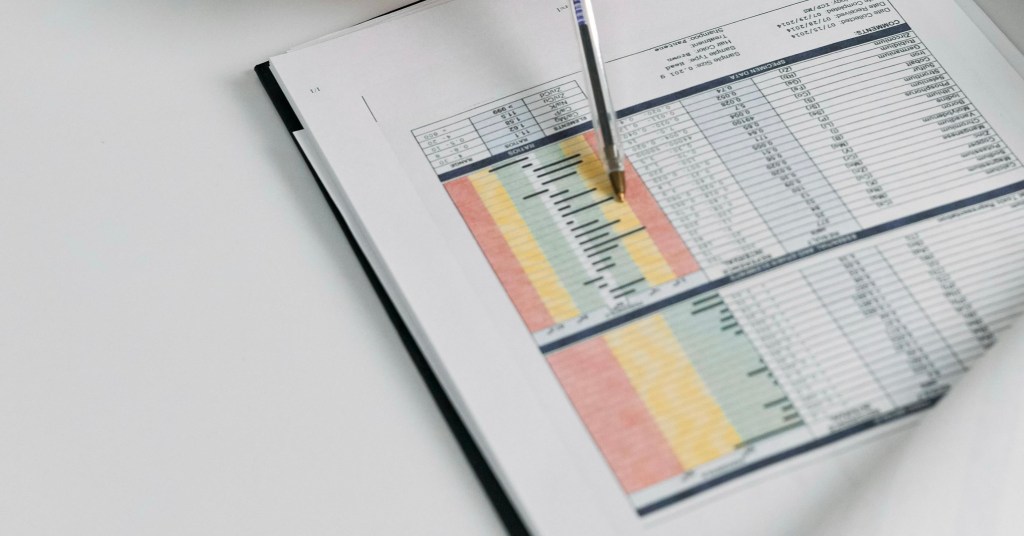
Below are the recommendations to consider for a child who presents with some very typical classic autism symptoms.
Parent Summary:
- 6 years old, ASD Level 3, non-verbal.
- Full-term birth, no regression, just delayed milestones.
- Speech therapy since 18 months with little progress (suspected apraxia). Communication remains his biggest struggle.
- ABA wasn’t effective (bored by repetition, not motivated by rewards). OT has been somewhat helpful.
Medical history & treatments:
- At 4, tests showed yeast/fungus, positive ochratoxin A, MARCoNS, and genetics pointing to neuroinflammation/methylation/detox issues.
- Tried biocidin, nystatin, LDN, leucovorin, nasal sprays, NeuroProtek/BrocProtek. Labs improved but he didn’t. Stem cells were suggested.
- Gut rebalancing with ___. (too intense, worsened behaviors).
- Stem cells in Panama (8/24) — no change.
- MNRI this spring — some gains in eye contact, paused when we started with Dr. __.
With Dr. ___ (since summer):
- OAT: yeast. Bloodwork: high roseola titers.
- Allergies: trees, dogs, egg whites, wheat
- Hair test: heavy metals, meets ACC mercury rules.
- Mycotoxin negative (house remodeled).
- Suspects: neuroinflammation, atypical PANS, MCAS, histamine, oxalates, methylation, gut, heavy metals.
- No response so far to neuroinflammation, histamine, or MCAS test protocols.
- Wants him stronger before starting ACC.
Current concerns:
- Increasing sensitivity to supplements (Mg, Vit C, B6, milk thistle, Ca, Sacch. boulardii). These worsen irritability, OCD, stimming, hyperactivity, and eye contact.
- Feels like slow regression: less social, less affectionate, more withdrawn, more OCD/stimming, fixated on screens, losing interest in toys and interaction.
- Constipation (managed with Mag07, reacted poorly to citrate).
- Sleep issues: wakes early for several hours ~50% of nights.
- Eats fairly healthy, organic, dairy-free, mostly gluten-free.
Overall:
We’ve tried many approaches, but he remains a mystery. Instead of improving with age, he seems to be getting worse.
Current issues: nonverbal, poor eye contact/joint attention, constipation, night wakings, random laughing, hyperactivity, vocal stimming, OCD, private touching, hand-looking, mouthing, low social interest.
That said, he’s a sweet, affectionate, goofy, and easygoing boy. He’s also smarter than he shows — therapists say he’s the fastest on his AAC device, but he mainly uses it to stim, not communicate.
We’d love your opinion since you’ve seen so many cases and also know Dr. ___ work. We’re also considering peptides and would appreciate your thoughts.
Additional:
Havent tried low oxalate diet.
Current supplements:
- mag malate 10mg 3x/day
- mag threonate 10mg 3x/day
- milk thistle 40mg daily
- sodium ascorbate 135mg daily
- calcium citrate 50mg daily
- mag07 – 7 scoops
- pectasol-c 1/8 tsp daily
- p5p 2.5mg morning
Summary of call
Overall Context and Main Concerns
• Background: The parents have pursued a biomedical path for most of his life, trying various treatments such as chiropractic care, mold detox, binders, bioresonance, stem cells, and protocols from practitioners like (a specific program or doctor).
Nothing has led to noticeable improvements—he remains the same despite tests showing progress (e.g., improved mold or mycotoxin levels after treatment).
He is sensitive to many interventions, showing reactions like headaches, irritability, hyperactivity, or die-off symptoms.
Key issues include: yeast overgrowth, inflammation, mast cell problems, constipation, allergies/intolerances (e.g., to dairy, gluten, eggs), heavy metals (mercury toxicity per hair test, though blood was negative), mitochondrial symptoms
(e.g., getting “hangry” or irritable between meals every 2 hours), sleep issues, brain fog/pain from oxalates, low thyroid function (TSH at 2.5), elevated MMA (5.2) and uracil (22) indicating B12/folate needs,
social withdrawal (less affectionate, prefers iPad over interaction), lack of language gains, and possible HPA axis issues.
His diet is already restricted (dairy/gluten/egg-free), and he is a good eater but picky. No major meltdowns, OCD flares, or clear PANS symptoms (e.g., no post-illness worsening), but some anxiety and hyperactivity noted.
• Parents’ Main Goals: The parents sought a comprehensive approach, interested to peptides but cautious about die-off for KPV, and prefer always options that are gentle and supportive.
They are consulting (a top doctor) but wanted additional perspectives, especially on peptides, since she may not specialize in them deeply.
They were hopeful but frustrated by past failures and aimed to avoid options that overwhelm their son.
What the Parents Said
• They provided detailed history
• Expressed frustration with past: “Nothing has worked… he’s the same.”
Examples include chiropractic (tests improved but no change), mold detox (tests better but no improvement), stem cells (big commitment, no results—practitioner suggested it was due to heavy metals), and gut rebalancing protocol (lots of effort, no gains).
• Noted sensitivities: Die-off (headache, screaming), irritability/hyperactivity from probiotics and Saccharomyces boulardii, reactions to herbs/supplements.
• Specific questions/concerns: How to combine KPV with something to reduce die-off (e.g., Larazotide)? mast cell issues? Can peptides work with heavy metals? Sleep issues—want help there. Thyroid concerns.
Oxalates—should they start low-oxalate diet now? Chelation—prepping but wary (no provocation tests). Supplements like magnesium malate and milk thistle (low dose for liver)—keep or stop? Diet restrictions make low-oxalate harder.
Overall: Is there one root cause, or is it a “perfect storm”?
Rebecca Said:
• Empathized deeply: “You’re not alone… his lack of reactions isn’t rare.” Shared her experience with doctors (good to get other ideas)
• Noted peptides can be game-changers: supportive (amino acids, natural to body), unlike herbs (which can confuse sensitive systems).
She’s devoted time to them because of dramatic results (e.g., paradigm shift from things like olive leaf extract).
• Peptide Philosophy: Start slow. Signaling lasts 2-3 hours initially but builds genetic changes over weeks.
Short chains are very Safe (1970s onward studies, short-chain oral very different than injectable bodybuilder types). See comparison.
Can possibly help eliminate metals (especially current exposure) naturally without chelation, or function better despite modest / typical levels.
Order: Address roots first (e.g., mitochondria, mast cells, yeast), then cascade to issues like speech/social.
Duration: Bell curve (start slow, peak at 1/2-1 capsule/day, taper off after ~2 months; maintenance microdoses if needed, not forever). No resistance like antibiotics (penetrates biofilms).
• Other Advice: Avoid probiotics (overgrowth common). Support mitochondria for “hangry” symptoms. B12 for elevated MMA/uracil (oral hydroxo drops, not methyl/injections; start 3-5 drops).
Low-oxalate diet: Go slow to avoid dumping (similar to die-off); check lists (e.g., avoid spinach, nuts, chocolate, tomatoes gradually).
Chelation: Skip for now because he’s too sensitive can redistribute some metals even low dose oral (half life dosing isn’t 100% steady and end of round issues);
focus on supporting body instead (peptides help detox gently).
Supplements: Stop milk thistle if not benefiting (peptides can support liver)
Thyroid: Treat to TSH ~1 for better cognition/calm. No clear PANS—don’t pursue thymus peptide unless flares.
Social withdrawal: Possibly inflammation; try oxytocin later if needed.
• General: His presentation is “typical” autism (yeast, inflammation, metals, etc.—not complex outlier; excuse for failures).
Hopeful: Peptides are very different from other past options they’ve tried
List of Recommended Supplements and Peptides
These will be shared in more detail with starting order below in the review / plan section.
• NAD+ (Mitochondrial Supplement, Not a Peptide): Top priority, use first calms mast cells, supports cells/mitochondria, reduces reactivity/hangry/anxiety/allergies; no negative reports at low doses.
• Larazotide (Gut Tight Junctions): Contains die-off in gut (prevents spillover); helps food intolerances
• Plavelle (Placenta-Based Bioregulator Peptide): New to USA; whole-body support (immune, viruses, gut/skin/liver healing).
• KPV (Peptide for Yeast, Mast Cells, Inflammation, Antifungal/Antibacterial): Powerhouse for yeast/mast cells/allergies/histamines; anti-inflammatory; penetrates biofilms.
Can cause die-off, go very slow.
• CogniPep (Brain Peptide): Supports brain connections, oxygen via vascular bioregulators; speech gains (e.g., words to phrases; not full verbal promise). Reduces brain fog; floods memories/clarity.
Try on yourselves too!
• Consider ThyroPep (Thyroid Bioregulator Peptide): Supports optimal thyroid (TSH to ~1 for cognition/calm); works for hypo/hyper.
• Vitamin B12 (adenosyl /hydroxocobalamin drops): For elevated MMA/uracil (B12/folate strain); supports nerves/language. Not methyl form.
• Other Peptides Mentioned (Optional/Later):
Delta Sleep Inducing Peptide (DSIP) for sleep/restorative detox.
Oxytocin (liquid) for social engagement/anxiety.
Selank for general anxiety – he doesn’t have.
Bio-regulators for specific organs (e.g., liver, hypothalamus/pituitary/adrenals for HPA)—if needed later.
Pertinent Details
• Dosing: Taper on / off via bell curve; maintenance microdoses prevent reversion.
Peptides supportive, not reactive like herbs/probiotics.
• Diet/Other Changes: Low-oxalate slowly (avoid dumping; not same week as peptides). Keep magnesium malate if helping (low dose ok); stop milk thistle (peptides support liver).
• Peptides can be a game-changer; Gains can snowball – parents are doing great!
Tests shared:
Ulta Lab Tests 7282025.pdf
Hair Heavy Metal.pdf
Oats test 6-2025.pdf
cortisol test 2025.pdf
Intellxx.pdf
Labs Overview:
Oats test
What’s most notable
- Yeast overgrowth: Arabinose is high (98). Several fungal markers are elevated (5‑HMF, 3‑Oxoglutaric), which fits yeast/fungal activity.
- Bacterial overgrowth: Hippuric is slightly high (734), but clostridial toxins (HPHPA, 4‑cresol) are not elevated—good.
- Oxalates: Glycolic and oxalic are high with normal glyceric, a pattern that often follows yeast or diet. Oxalate irritation can show up as urinary or stomach pain, sleep trouble, and behavior spikes.
- Mito energy: Mild Krebs imbalances (high succinic, low‑normal others) often reflect gut stress more than primary mito disease here.
- Folate pathway: Uracil is high, which can hint at folate cycle strain; B12 (MMA) is fine; B2 and B5 look okay; vitamin C reads low, but urine C is noisy.
- Detox signals: Pyroglutamic is on the higher side (glutathione demand* see note below), and 2‑hydroxybutyric is high (methylation/toxic load signal). Phosphoric is high—often just growth/kid status + diet/hydration context.
- MMA is 5.2 with a cutoff of ≤2.5, flagged high on this lab. That’s the classic functional B12 marker.
Uracil is also high (22), which can point to folate/methylation strain alongside B12 needs.
CBC shows MCV 89.5 (slightly high for a 5‑year‑old), which can fit the picture.
Given his methyl sensitivity, I’d keep it simple: - Start with adenosyl / hydroxocobalamin, daytime, small. For energy/mito adenosylcobalamin is a excellent.
- Pair with the P5P you already use; no methyl folate changes right now.
- You don’t need to push dose, just enough to see calmer energy/processing without stimulation. If sleep gets lighter, back down or give earlier.
Concerns
- Primary: intestinal dysbiosis with significant yeast/fungal load, secondarily driving oxalate elevation and extra detox/methylation workload.
- Secondary: mild mitochondrial stress markers likely downstream of the gut picture, not primary mito pathology.
Next steps (will review in plan below)
- Calm inflammation + microbiome: NAD+, KPV. Pair with Larazotide
- Support elimination on “kill” days: organic activated charcoal away from food/meds; extra hydration; keep stools moving.
- If alkalizing helps, a pinch of baking soda in “herx water” can buffer acids; if it worsens, think ammonia and pause the baking soda. Detox post is here.
- Oxalates: favor low‑oxalate choices for now; calcium citrate if tolerated, with meals can bind oxalate in the gut; go gradual with any changes to avoid flares from oxalate dumping.
- Mito steadiness: NAD+ low amounts can lift energy and improve tolerance while you address the gut. Many families find it smooths reactions.
- Sleep/nervous system: if anxiety or restlessness climbs during die‑off, Selank can be a clean, non‑sedating calmer; consider DSIP for sleep.
Notes from email: Sacc. boulardii – can often overgrow quickly from even trace amounts and we never recommend it or probiotics
Note on the Roseola Titers mentioned in email:
High roseola (HHV‑6/7) IgG often reflects past exposure plus an “inflamed terrain,” not an active driver. In sensitive kids, trying to suppress titers rarely changes function. I care more about calming the terrain that lets herpes‑family viruses cause issues. (More on the plan below)
Briefly – you’d want to tighten the gut (Larazotide), lower inflammation/yeast (tiny KPV when ready), steady HPA (Adrenact +/- Endocron/Hypotalen), add NAD+ for mast cells/energy, and consider Plavelle for broad immune calm. As that settles, titers often drift down on their own while sleep, mood, and engagement improve.
If you ever see clear viral‑flare patterns tied to stress or allergens, that’s another nudge to prioritize the same calming stack. Otherwise, I wouldn’t make decisions based on the roseola number itself.
*Notes on “glutathione demand,” I’m reading his OAT pattern: higher pyroglutamic plus the overall yeast/oxalate load and cortisol stress. That combo often means his glutathione recycling is working hard to keep up, not that we should push big glutathione in.
What I’d do with that: (included in plan below)
- Prioritize NAD+ Cleaner redox makes glutathione recycling more efficient upstream.
- Support the gate with Larazotide and calm yeast with tiny KPV when ready. Less die‑off means less oxidative burden to mop up.
- If using – give liver/kidney bioregulators in the evening also. They help the glutathione system do its job without adding noise.
- If you try direct glutathione or NAC and he gets more irritable or “amped,” back off.
- Many sensitive kids do better letting peptides and NAD+ lower the load rather than pushing the pathway.
Net: the labs say “reduce what’s filling the bucket and steady the system,” not “force more glutathione.” This is exactly what our plan will do
Cortisol
What stands out
- Cortisol rhythm: 8 AM 33 (above adult ref), noon 7 (in), 4 PM 9 (slightly above), midnight 2 (in). Total output 51 (above adult ref 22–46).
- This is a classic “high morning with a tiny afternoon bump,” overall high‑normal production for a sensitive system.
- DHEA: 3 (adult ref 3–10). On the low edge relative to that higher cortisol; so the “buffer” isn’t robust.
- Insulin: fasting 14 (above their borderline range), non‑fasting 11 (fine). So fasting insulin is elevated—points to some insulin resistance/stress coupling.
- sIgA: 8 (borderline low). Mucosal immunity looks a bit run down.
- 17‑OH‑Progesterone: 65 (adult optimal band), nothing concerning here.
- Gliadin sIgA: negative, but with low total sIgA, a true negative is less certain.
Concerns
- Mild HPA overdrive with low DHEA support, plus insulin strain and a tired mucosal immune layer. This pairs with the gut picture you shared earlier.
Options (will review peptides in plan below)
- NAD+, Larazotide, Pavelle, before KPV
- Calm the afternoon bump: early protein‑first lunch and a 10–15 min post‑meal walk; lights down and screens dim after sunset.
- sIgA support: focus on sleep window and simple, warm dinners; avoid alcohol/synthetic fragrances; HEPA in the bedroom.
- If anxiety/over‑arousal shows: Selank as needed; many parents find it takes the edge off.
Metals test
- Mercury: 0.57 (above this lab’s cutoff 0.40). In kids, this often tracks fish exposure; some are just more sensitive.
- Arsenic: 0.15 (above 0.08). Can be from water, rice products, or seafood; hair can also pick up external contamination from water/shampoos.
- Uranium: 0.088 (above 0.060). This can reflect water source in some regions.
- Titanium slightly high; often environmental/topical.
- Essentials: calcium and zinc look good; magnesium is on the low side for hair, sodium is low (often reads “low” in sensitive kids), selenium a touch low‑normal, iodine mid‑range, iron a bit low. Ratios: Na/K is low (0.29), which often mirrors stressy/mast‑celly systems.
My take
- Likely low‑level environmental exposures plus a sensitive system, not a “big metals” picture.
- The earlier OAT showed yeast/oxalate/detox strain, so I see this as part of the same load rather than a separate crisis.
Options to lower the load gently (will review peptides in plan below)
- Filtered water
- Pause even low mercury fish
- Choose organic when you can.
- Support natural clearance: NAD+ Larazotide around meals; KPV as tolerated
- Binder – organic activated charcoal away from food/meds.
- Gentle organ support: Pavelle, optional: liver/kidney bioregulator peptides
- Environment basics: fragrance‑free home care, change filters frequently.
What I wouldn’t do right now
- No chelation starts. With his sensitivity and the current gains you’re building, I’d favor peptides plus environment and binders over mobilizing metals.
Ulta labs
- Thyroid: TSH 2.52 is ok for a 5‑year‑old but could be closer to 1; Free T4 is a bit high (1.6) with Free T3 mid‑range.
- That combo can reflect transient illness, timing of draw, or binding changes more than true hyperthyroid in kids. But we like to see TSH closer to 1 – can try ThyroPep.
- Liver/kidney: AST/ALT normal. Total bilirubin 1.0 is just over this lab’s pediatric range and ALP 331 is mildly high—ALP often runs higher in growing kids from bone turnover.
- With normal enzymes and albumin, this pattern is usually benign; recheck later if there are symptoms (jaundice, dark urine, pale stools).
- CBC: Counts and indices are broadly okay. Hct 42.4 and MCV 89.5 slightly above the lab’s pediatric cutoffs but not worrisome alone.
- Electrolytes, glucose, creatinine, BUN: all in range for age.
- Amino acids (branched chains, glutamate): in range.
- IgE/allergy: Total IgE 167 is within their “<=192,” but specific IgE shows sensitizations, a big one is olive tree (38.3), plus Russian thistle (12.1), elm, walnut, mulberry, grasses, ragweed, and dog dander (6.18). Cat is low‑positive.
- The profile fits seasonal/environmental allergies; any dog exposure could be a steady trigger.
What I’d do: (will review peptides in plan below)
- Environment: change air filters frequently, keep windows closed, rinse face/hair after outdoor play, and consider reducing any pet exposure.
- Gut/immune calming: If histamine and flares are an issue, KPV and Larazotide; they often lower reactivity from the gut side. Selank can help calm the nervous system layer of allergy stress.
- NAD+: gentle daily support tends to steady energy and tolerance during allergy seasons. Pair with DMG or TMG.
Review / plan
He sounds like such a sweetheart and very kind hearted boy. You’ve been through a lot. Things should get easier with our plan.
His symptoms are classic for so many of our kidsand we are going to help him.
A lot of what you’ve done sounds like what many of us parents do when we don’t know where to turn so we try all the options to see what sticks.
Unfortunately as you’ve seen, a lot of it doesn’t work and some of it causes kids to regress. Undoing gains you made.
I like to do things a little bit differently, taking into account my 15 years on this journey, I know a lot about what works and what doesn’t tend to work.
Our path forward for him doesn’t take such big risks but can still deliver sizable gains.
The challenge, is always how much (time and money) people want to spend, but given the cost you’ve already put into healing, I assume you’ll want to invest in ones that we decide will be helpful.
Of course it’s important to go in order with some of them and it may be that some of the early peptides will resolve issues and you won’t even end up needing some of the later options.
His labs and history point to a sensitive, inflamed system that needs calm signals first, then careful repair.
We’ll lower the “noise floor,” protect his gut, and only then add targeted brain and repair supports.
Small, steady steps win.
Key issues to address:
- Yeast/fungal load raising oxalates and irritating the gut; leaky gut keeps immune noise high.
- Neuroinflammation with mast‑cell/histamine patterns; very reactive to inputs.
- HPA axis strain: high morning cortisol, low‑edge DHEA, low sIgA, fasting insulin elevated.
- Constipation and choppy sleep slow clearance; regression in engagement and behavior.
- Mild environmental metals present; not the primary driver right now.
- Thyroid: TSH around 2.5; I’d like to see it closer to ~1.0 if he feels better there.
Why Peptides?
Some biomedical approaches try to push the body into change from the outside.
Big antifungals/antibiotics, long herb stacks, megavitamins, even anti‑virals or immune stimulators are too blunt.
They can knock things down temporarily, but they also stir die‑off, irritate the gut lining, inflame mast cells, and overload detox.
For sensitive kids, that often looks like a few days of “maybe,” then weeks of agitation, worse sleep, more OCD/stimming, and less connection.
Even stem cells are a big push: you’re adding builders without fixing the job site.
If the terrain is inflamed, leaky, and over‑alarmed, those cells don’t integrate and you see no change or even regression. That’s the pattern you’ve been living.
Peptides flip the script. Short‑chain signals don’t bulldoze pathways, they remind them.
They’re precise, tissue‑aware, and time‑limited, so the body takes the message, makes a healthier choice, and then the peptide breaks down into simple amino acids.
That’s why they’re typically far better tolerated in sensitive systems and why gains stack without the crash. We start tiny, place them where they lower noise first, and let function rise.
This is why our plan centers on peptides.
This list is primary options that I would consider. Additional options are discussed below and there is a lower spend option at the end of this page.
Foundation first
- NAD+ AM, 1/2 spray sublingual, not on empty stomach
- Why: steadies mast cells and nourishes mitochondria / cell energy so everything else is easier to tolerate, helps with allergies too.
- Larazotide just before meals (or with first bite) 1/8 cap
- Why: tightens the gut barrier so irritants and die‑off stay local and bindable, which lowers reactions.
Whole‑system calm for sensitivity
- Plavelle morning and afternoon: 1/4 cap 2-3x per day
- Why: gentle immune calm and repair plus mild antimicrobial. Helps KPV land more smoothly in a sensitive system.
Once the base is steady
- KPV in small sprinkles paired with Larazotide
- Why: anti‑inflammatory, antifungal, mast‑cell / allergy calming; penetrates biofilms and calms histamine surges.
- Use tiny amounts and put KPV in a bite of food as buffer. Consider a binder window away from food/supps.
Cognition/communication can be best after inflammation setttles
- CogniPep 1/8 cap morning only, 1-2 days per week.
- Why: brain bioregulator for cognition, language, focus, recall and attention
Later Add-on’s:
Repair so gains stick
- TB4‑Frag 1/8 cap 1-2x daily as needed
- Why: supports tissue repair including from any toxin (metal) exposure damage
HPA axis support (Adrenact, Endocron, Hypotalen) tune the stress axis at the control panel, so days feel calmer
- Adrenact (adrenal bioregulator) mornings 1/8 cap
- Why: steadies cortisol, fewer meltdowns, overload spikes and better emotional stability.
- Endocron (pituitary) mornings 1/8 cap
- Why: coordinates hormone signaling so stress response smooths.
- Hypotalen (hypothalamus) mornings, 1/8 cap
- Why: supports the HPA “conductor,” helping sleep rhythm and reactivity.
Organ supports for detox & filtration
- Liver bioregulator Liverra – daytime 1/8 cap each
- Why: improves detox handling without herbs; often lowers reactions to other inputs. Smooths sticky stools.
- Kidney bioregulator Renolux – daytime 1/8 cap each
- Why: filtration support to prevent rebound die off days.
Optional Sprays – As needed
Nervous system and sleep regulation
- Selank daytime as needed, sublingual, 1 spray or 1/2 spray
- Why: calms anxiety/looping without sedation; smoother transitions. 1 spray at a time, up to 3x a day but try to keep to once a day.
- Oxytocin: 15 minutes before needed, sublingual 1-2 sprays, not daily.
- Why? Excellent for social anxiety, eye contact, engagement, interest in others.
- Delta, sleep, inducing, peptide DSIP: 1 hour before bed sublingual spray 1-2 sprays. Less may work – dose by observing
- Why: improving sleep can be a significant key to healing. I’d consider this for deeper, more restorative sleep
Thyroid support option
- ThyroPep mornings, 1/4 cap
- Why: supports thyroid regulation and energy. His TSH around 2.5 could come closer to ~1.0 (room to improve); ThyroPep can help shift.
Binders and “feel‑better” windows
- Binder window away from meals/supps on high die‑off days (activated charcoal or PectaSol, whichever he handles), plus hydration
- Why: catches die‑off so symptoms don’t spike. If stools slow, ease the binder.
- “Herx water” only if alkalizing helps (see this page)
- Why: buffers acid load for some; if it worsens him, pause it and focus on binder/hydration.
Oxalates: diet and comfort
- Calcium citrate with meals only if it clearly helps
- Why: binds dietary oxalate in the gut; if it agitates him, reduce and let behavior guide.
- Begin a low‑oxalate diet slowly over several weeks, not days.
- Why: reduces oxalate irritation without triggering dumping; quick drops can cause flares. Make gradual swaps, keep minerals and hydration steady.
Constipation first, always
- Maintain daily stools before increasing antimicrobial inputs
- Why: moving bowels prevents reabsorption and keeps behaviors steadier.
- If KPV stirs things, increase water and use the binder window rather than adding more actives. Keep what’s working for stools while stabilizing; reassess later.
Environment and gentle metals steps
- Filter water, drinking amf bath, pause fish, fragrance free home, change filters frequently
- Why: lowers ongoing exposure while his system stabilizes.
Chelation
- Not now. Many children never need formal chelation once gut/immune/HPA supports and binders are in place.
- If, after he’s clearly steadier and sleeping better, metals look clinically relevant and symptoms point that way, can revisit cautiously later.
What to simplify from his current stack
- Magnesium: consolidate to the single form he clearly tolerates; avoid citrate, malate if agitates him.
- P5P (B6): if post‑dose agitation shows, lower or pause for now.
- Sodium ascorbate and calcium citrate: both can shift oxalates/motility; reduce or stop if irritability.
- Milk thistle: many struggle to handle this herb, Plavelle peptide can replace and if need more, liver bioregulator,
- PectaSol‑C: when using KPV keep if it helps without constipation; otherwise consider charcoal
- Mag07: continue for stool regularity while stabilizing; reassess later.
What to add
A gentle B12 trial with adenosyl/hydroxy b12 is reasonable. 3-5 drops morning only. Pure encapsulations brand, can increase but watch sleep.
Simple day plan
- Morning: Larazotide before breakfast; add NAD+ (with food) Plavelle
- If using Adrenact, Endocron, Hypotalen or ThyroPep – they go here also liver & kidney if using; CogniPep here on days you use it; Selank if needed.
- Midday: Larazotide before lunch; add sprinkle KPV with it when ready (increase to morning also next step), hydrate.
- Mid‑afternoon: when begin KPV, keep binder window away from food/supps if any die off. Alternately, use binder in middle of night if awake.
- Evening: Larazotide and possible Plavelle with dinner – haven’t heard of sleep disturbances but best to be observant for evening dosing of peptides.
- Bedtime: if using, DSIP 1 hour before
Sequence Option
- Week 1: NAD+ AM (with food) then add Larazotide just before meals
- Week 2: Add Plavelle 2-3x daily; very slight low‑oxalate shifts.
- Week 3: begin micro‑KPV with Larazotide; use a binder window as needed.
- Anytime when calm: trial small dose CogniPep 1-2 days per week.
- Anytime if decide to use:
- ThyroPep in early AM
- Selank – if daytime anxiety/looping
- DSIP – 1 hr before bed as needed for sleep issues
- TB4‑Frag for repair
- Consider other bioregulators – adrenal, liver, hypothalamus, pituitary
Start slow, keep amounts small, and don’t be afraid to experiment with timing to find his sweet spot.
If something bothers him, pull back, support bowels and hydration, and try again smaller. Progress over perfection!
Follow up resources:
Learn more about:
• NAD+
• Larazotide (LA)
• Plavelle
• KPV
• CogniPep
• TB4-Frag
• Selank
• Oxytocin
• DSIP
• All Bioregulators: including – ThyroPep (thyroid), Adrenact (adrenals), Hypotalen (hypothalamus), Endocron (pituitary), Liverra (liver), Renolux (kidney)
You may want to watch this video featuring many peptides mentioned during this consult:
For personalized help
If you need a quick start up, no time to read more, let our Digital Mind tool help.
She can guide you through making the best choices and ease the learning curve for peptides and all other supports.
For other pages
See Contents:
- Start Here
- Treating Kids & Family
- Diagnosis & Symptoms
- Environment & Lifestyle
- Nutritional Foundations
- Supplements
- Peptides & Bioregulators
- Supporting Detox
- Help with healing (24/7)
- New 2025 Study: High Zonulin Tracks Autism Severity – How to reduce it
- IVIG dupes? Swaps that surpass results! Treat PANS at home

- Plavelle Peptide: A Welcome Mat to Healing

- Shield and heal: Gastrogen for reflux, intestinal lining & more

- Quiet the Cell Danger Response: Suramin Showed the Switch, Parents Can Flip It Daily

- Suramin Without Suramin: Calming the Cell Danger Response in Autism

- Leucovorin in Real Life: Wins, Backfires, and how to make it work better

- NAD+ Mitochondria & Mast Cell Game Changer — How to buy the right one

- The Peptides Transforming Autism, ADHD, Anxiety and more

 nest biomed