Author: rebecca ferguson

  • Shield and heal: Gastrogen for reflux, intestinal lining & more

    Shield and heal: Gastrogen for reflux, intestinal lining & more

    • Spotlight on Gastric Mucin •

    If your child has any type of rage after eating, always suspect possible acid reflux / heartburn pain.


    What Gastrogen does:

    Targets gastric mucin and the epithelial lining across stomach and intestines.

    It can:

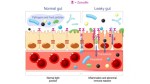
    Normalize mucin secretion, reinforce barrier integrity, support epithelial repair, steady pH, and reduce local inflammatory signals.


    It’s a Bioregulator Peptide:

    Ultra‑short, tissue‑specific peptides that guide gene expression so tissues return to optimal function with gentle, low‑dose signaling.


    Mechanisms of action:

    • Increases mucin to rebuild the protective gel layer against acid, pepsin, bile, friction, and microbes.
    • Supports epithelial stability and repair programs.
    • Optimizes surface pH so micro‑healing can occur between meals and overnight.

    Applications and conditions supported for all ages

    • GERD and chronic heartburn: thicker mucin and steadier epithelial repair reduce acid/pepsin injury, ease nighttime reflux, and create reliable healing windows.
    • Gastritis and ulcer vulnerability: reinforced mucus plus epithelial support raise resilience under stress.
    • Functional dyspepsia and “raw stomach”: restored gel layer reduces chemical irritation and friction after meals.
    • Food‑triggered gut sensitivity: stronger mucosal defense lowers antigen contact at the surface.
    • IBS/SIBO with post‑meal discomfort: calmer mucosa and better barrier tone improve tolerance while other supports work.
    • Celiac and gluten sensitivity (add Larazotide): mucin and epithelial support aid surface comfort and recovery while tight‑junction strategies (with LA) address permeability.
    • Post‑illness or medication‑related lining stress: added protection and comfort as the epithelium rebuilds.

    A review of how it works for acid reflux, heartburn & more:

    My Daughters intense issues & how Gastrogen heals.

    You can play the podcast-style video & continue to scroll this page

    This video is also a demo of how you can ask the digital mind about anything that you need help with too


    Why this matters even beyond GI issues: the downstream cascade

    A tighter barrier means fewer irritants and antigens entering circulation.

    Promotes:

    • Immune calm with fewer food/microbial flares and less mast‑cell/cytokine noise.
    • Clearer thinking and steadier mood as gut‑to‑brain inflammatory signaling drops.
    • Calmer skin and more comfortable joints as systemic inflammation eases.
    • More consistent post‑meal energy with steadier nutrient uptake.
    • Smoother endocrine and body wide performance with less inflammatory drag.
    • Less Cell Danger Response once the gut stops leaking “stress signals.”

    If you’re using other peptides, you may wonder:

    Larazotide or Gastrogen… or both?

    • Different layers, different jobs:
      • Gastrogen rebuilds the mucus blanket and supports epithelial repair. Excellent on its own & you don’t need LA for acid reflux.
      • Larazotide (LA) helps keep tight junctions closed, temporarily (2-3 hours).
    • When to lean on each:
      • If raw/irritated lining and reflux dominate, Gastrogen restores the mucin buffer and comfort.
      • If permeability, die off, or food‑triggered allergic type reactions dominate, Larazotide provides junction control.
    • Can Gastrogen help contain die‑off if Larazotide isn’t available?
      • Indirectly, yes.
      • Use Gastrogen for buffer/repair.
      • This doesn’t replace a fully tight‑junction closure, but a stronger mucin layer cushions the lining and reduces exposure of inflamed tissue to die‑off byproducts.

    How to use Gastrogen

    Small, consistent dosing works best.

    It can take a few days to work initially.

    • A good approximate start:

    1/8 – 1/4 capsule 2x daily

    • After 4 weeks, try 1x per day

    Experiment with dosing, some need more than this amount, some possibly less.

    After using it for a few weeks, short breaks may be possible and after a few months longer breaks can happen with sustained results.

    (A parent reported increased sleep issues and some say it causes more energy, if so consider only daytime dosing)

    Good to know: As mucin thickens and the lining calms, motility can slow temporarily. If constipation prone, ease in with a smaller dose, increase fluids, and keep daily bowel movement supports.


    Thoughtful companions

    • KPV for inflammatory calm, biofilm pressure relief, and microbial load reduction while the mucin layer rebuilds.
      • If die‑off grows, reduce the KPV dose and slow the tempo; keep Gastrogen steady.
    • Larazotide to reinforce tight junctions especially for food‑triggered reactions or die‑off spillover.

    Safety and expectations

    Bioregulators nudge repair rather than push stimulation, so they’re typically well tolerated.

    Sensitive users can start tiny and build.


    Where to purchase Gastrogen?

    It’s sold in either 30 or 60ct capsules

    Available at Vita Stream

    They are a brand we trust, made in the USA with 3rd party testing.

    Discount code BIOREG10

    • For 10% off anything, free shipping

    (starts at $67 before discount)


    Special coupon: GASTROGEN15 will give you 15% off until October 10 (it can’t be stacked with the other code so if you want other peptides you’d need separate orders)


    For our Full Information page about Gastric Mucin and all 26 Bioregulator Peptides: 

    See this page

    It has almost all the details you could ever want! 


    For personalized help 

    If you need a quick start up, no time to read more, let our Digital Mind tool help.

    She can guide you through making the best choices and ease the learning curve for peptides and all other supports.


    For other pages

    See Contents:


    Recent Posts:

  • Quiet the Cell Danger Response: Suramin Showed the Switch, Parents Can Flip It Daily

    Quiet the Cell Danger Response: Suramin Showed the Switch, Parents Can Flip It Daily

    Suramin is a drug that scientists studied because it can directly turn off the cell danger response right at the cellular level.

    It works by telling individual cells to stop acting like they’re under attack—so they can start to relax and heal properly.

    That’s why it showed so much promise in research for autism. And would work similarly for PANS.

    The tricky part is suramin isn’t something families can get right now, so it’s more like a powerful example of what’s possible on that deep cellular front.

    In part 1 we focused on supplement / peptide replacements to calm the cell danger response.

    Read the part 1 post here:

    Suramin Without Suramin: Calming the Cell Danger Response in Autism

    •••

    Now, in part two we switch our focus to another effective method, nervous system calming.

    It works differently but just as importantly. Instead of diving straight inside the cells, it helps quiet the brain and the nervous system, which is the control tower of the whole body’s stress alarm.

    When the nervous system gets truly calm and signals it’s safe, it helps switch off that cell danger response more broadly.

    It’s the body’s way of hearing, “Okay, we’re safe now, you can relax.”

    If you imagine suramin as someone cutting the cords on the cell’s alarm system directly, nervous system calming is like turning down the volume on the main speaker in the brain that tells all the cells what to do.

    Both ways aim to stop that stuck-on danger state, but calming the nervous system is more accessible and something parents can work on every day.

    If a child’s nervous system can get deeply calm and safe, in many cases that can make a huge difference—sometimes as strong as or even better than what Suramin promises.

    That’s why focusing on calm as part of healing isn’t just nice to do, it’s essential.

    It sets the stage for peptides and other tools to do their best work without the body feeling like it still needs to stay in fight-or-flight mode.

    How calming the nervous system helps switch off the cell danger response

    Main idea: the danger response gets loud when the brain’s alarm centers (amygdala/brainstem) sense threat.

    Safety cues increase vagal tone, shift the body from sympathetic “go” to parasympathetic “rest-repair,” lower adrenaline and cortisol, and quiet inflammatory signaling.

    When the control tower calms, cells stop broadcasting “danger” and return to repair.

    That’s why these simple practices can change behavior, gut, and sleep—fast enough to feel, gentle enough to repeat.


    Examples that work (and why)

    Bee buzzing

    How: lips closed, slow exhale with a soft buzz/hum, 5–7 times. Fingers can rest lightly on cheeks or near ears to feel vibration.

    Why it works: lengthens the exhale and vibrates areas innervated by the vagus nerve.

    • Longer exhales increase parasympathetic tone, lower heart rate, and dampen the startle reflex.
    • The vibration adds a “mechanical” safety signal that tells the midbrain it’s okay to stand down.

    Butterfly taps (bilateral rhythm)

    How: arms crossed over chest, alternate left–right taps slowly for 30–60 seconds.

    Why it works: repetitive left-right stimulation helps the brain integrate sensory input, easing hyperarousal.

    • Slow, predictable rhythm acts like a metronome for the autonomic nervous system, shifting it toward regulation and lowering limbic reactivity.

    5–4–3–2–1 orienting (present-moment anchor)

    How: name 5 things you see, 4 you feel, 3 you hear, 2 you smell, 1 you taste. If language is tough, just point and count.

    Why it works: orienting pulls attention out of threat simulation into real-time sensory data.

    • This reduces amygdala-driven prediction loops and increases prefrontal control.
    • The brain gets proof of safety from the environment.

    Progressive “melt” relax (muscle-to-nerve reset)

    How: “Squeeze toes for five… then melt.” Move to calves, hands, face. Two to three areas is enough for younger kids.

    Why it works: brief tension followed by release activates Golgi tendon organs and resets baseline muscle tone.

    • The nervous system reads the “melt” as safety, reducing sympathetic output, easing pain, and preparing the body for sleep.

    Body Co-regulation (child / parent)

    How: sit lower than your child, soften eyes, gentle smile, lengthen your exhale, slow movements, keep voice low and steady.

    Why it works: children mirror caregiver state through nonverbal cues.

    • Your slower breathing and softened gaze are direct safety inputs that raise their vagal tone.
    • Co-regulation often works when words fail because the body trusts bodies first.

    Safe touch anchor (if welcomed)

    How: warm palm on upper back or your own heart if touch isn’t welcome; pair with one slow phrase: “You’re safe with me.”

    Why it works: gentle, sustained pressure activates pressure receptors that calm the sympathetic system.

    • Touch plus a single, predictable phrase tightens the safety association without adding cognitive load.

    Nature minute (sky gaze)

    How: step outside and look at the sky for 60 seconds; add bare feet on grass or a tree touch if available.

    Why it works: widening the visual field reduces foveal threat scanning and tells the midbrain “no immediate danger.”

    • Natural light also nudges circadian rhythm and mood networks toward balance, making calm easier to hold.

    Sensory funnel (reduce noise, add one regulator)

    How: dim lights, lower voices, clear visual clutter; offer one regulating input like gentle rocking, light weight, or soft hum.

    Why it works: too many inputs keep the thalamus and cortex on high duty.

    • Lowering inputs frees capacity for regulation. One strong, predictable input gives the nervous system a clear cue to organize around.

    Worry-time container (delayed processing)

    How: acknowledge the worry, schedule a 5‑minute “worry time” later, write it on a sticky note, and place it in a jar.

    Why it works: containment lowers limbic urgency and engages prefrontal planning.

    • The brain feels heard without needing to solve in the red zone, which reduces looping and keeps arousal from spilling over.

    Catch, Cancel, Calm (pattern interrupt) *a re-wiring favorite!

    How: notice feelings of anxiety /worry / panic

    Say “Cancel,” then do one body cue for 60–120 seconds.

    Why it works: naming engages the prefrontal cortex; “Cancel” breaks the reflex arc; the body cue shifts physiology.

    • This top-down plus bottom-up combo is potent for moving out of alarm quickly.
    • It also teaches the brain a new sequence: awareness, choice, then regulation, which builds a faster pathway back to safety over time.
    • Consistency matters here—the same words and same cue become a safety shorthand, rewiring the nervous system path to recognize and respond to next time.

    When to use these

    Before transitions, meals, school, after exposures, and bedtime.

    If pupils are wide, breath is shallow, or rigidity is up, do a body cue first and keep words minimal.


    A calmer nervous system makes peptides and tools from part 1 work notably better.

    It reduces background sympathetic drive and inflammatory signaling, so inputs land.


    Simple two-week practice

    Week 1: pick two techniques (for example humming and butterfly taps) and do them twice daily at the same times.

    Week 2: keep those, add your long exhale as a silent co-regulation cue, and lower lights after dinner.

    On rough days, step outside for sky time first, then try one cue.

    Language that keeps it safe “Your body is learning calm.” “Pause, then we melt.” “You’re safe with me.”


    If you’re seeing even small wins: smoother transitions, fight or flight, that’s the cell danger response turning down and regulation holding longer between bumps.

    Keep going, add or subtract one tool at a time, and see your whole family’s nervous systems feel safer.

    Together, we’ve got this!

    See our video on this topic!

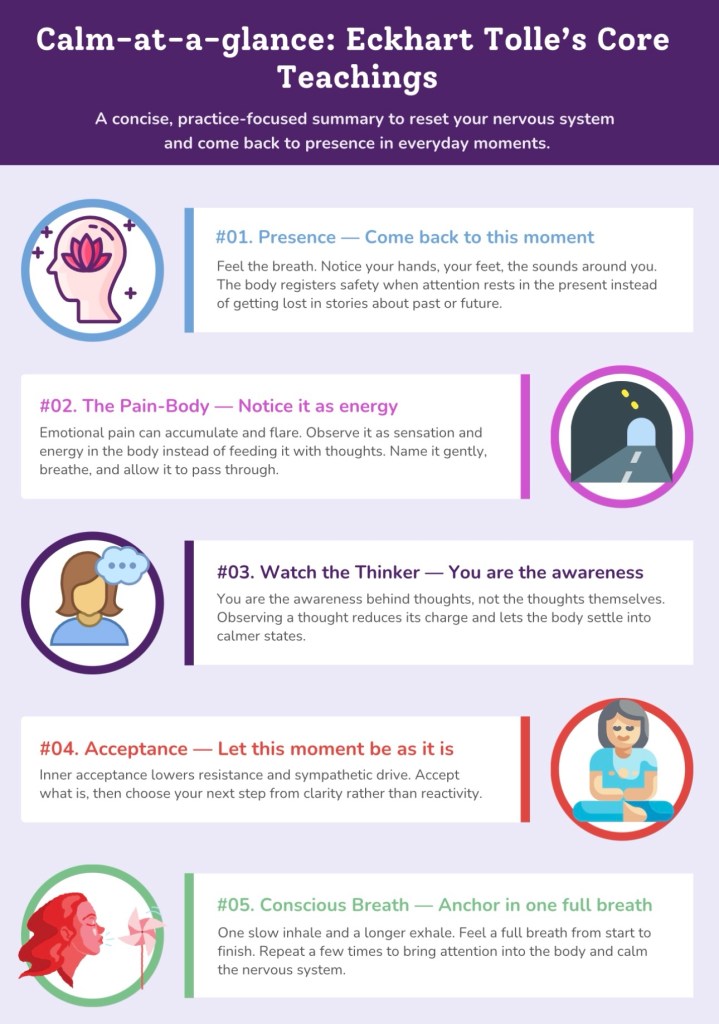
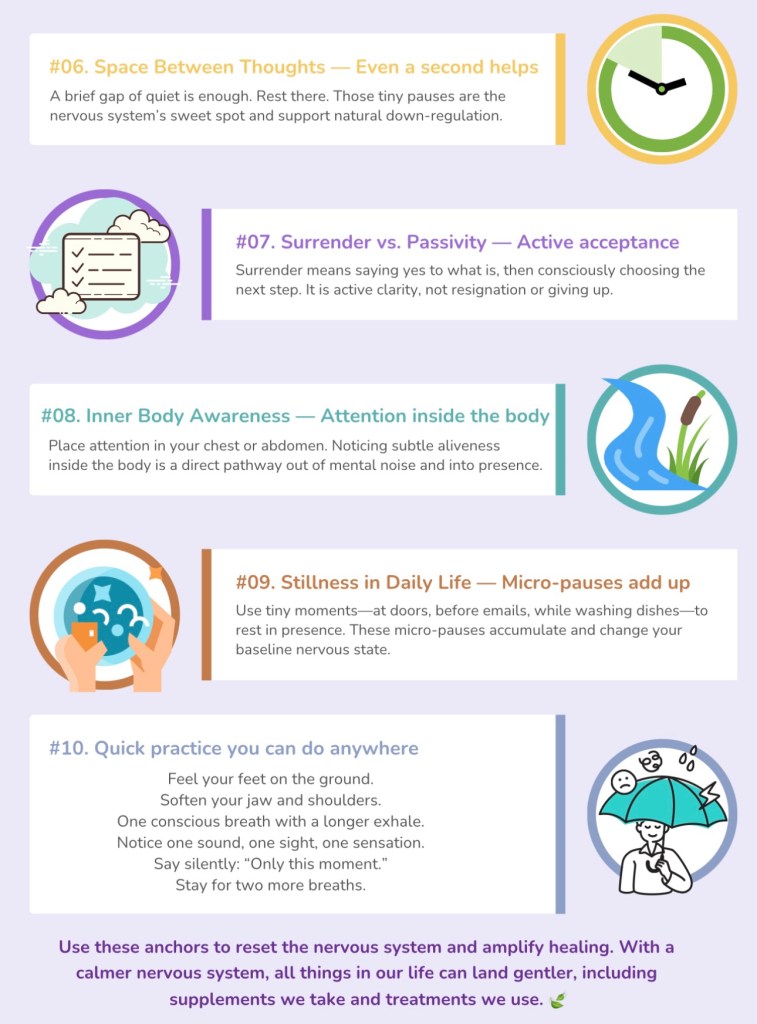
    And get our infographic, to find your own calm.

    View in high-res here: https://infograph.venngage.com/ps/xa0zud95Mu0


    Return to part 1: Suramin without the Suramin

    For personalized help 

    You can consult with our digital mind tool. She can guide you through making the best choices and ease the learning curve for peptides and all other supports for our children.


    For other pages

    See Contents:

  • Suramin Without Suramin: Calming the Cell Danger Response in Autism

    Suramin Without Suramin: Calming the Cell Danger Response in Autism

    Remember the early Suramin buzz—language gains and calmer days, then it vanished from discussion?

    We unpack the “danger siren” in plain English and show how to quiet that same loop without the drug.

    It’s a simple, safe roadmap that stabilizes energy, calms the immune overreactivity, and tightens the gates so the brain can focus again.

    If your child is easily triggered, this may be exactly what you need.

    What suramin did, in plain language

    When cells feel threatened, they dump ATP (an energy carrying molecule) outside the cell.

    Outside ATP is a loud danger siren. Purinergic receptors on immune and nerve cells “listen” for that siren.

    When ATP keeps hitting those receptors:

    Microglia and mast cells stay activated, cytokines rise, mitochondria downshift into emergency mode, and barriers like the gut and blood‑brain barrier loosen.

    Suramin blocked many of those purinergic receptors.

    Think of it as temporarily covering the ears that are hearing the ATP siren.

    •••

    With the ears covered, the alarm loop quiets:

    Microglia and mast cells settle, cytokines drop, mitochondria return to cleaner energy, and barriers tighten.

    That’s why some gains showed up quickly in early reports, the loop itself was muted.


    How we create the outcome without the drug

    We can achieve the same results for our kids by:

    • lowering the volume of the siren
    • reducing exposure to the sound
    • calming the responders
    • and restoring clean energy

    so the system naturally stands down.


    The 4 switches to target

    1. Lower the ATP danger siren at the source
    • NAD+: the top surrogate.
      • It improves mitochondrial redox so cells make cleaner energy, spill less ATP into the outside space, and it also calms mast cells.
      • In practice, that lowers the alarm volume and reduces overreactivity.
      • Small sublingual doses work best – more below
    • Home basics: organic, dye‑free, fragrance‑free, fluoride‑free. Fewer irritants in means fewer ATP dumps out.
    • Good light and rhythm: morning sunlight, steady meals, gentle breathwork. Lower baseline “threat tone,” fewer alarms.
    1. Reduce exposure to the noise
    • KPV quiets inflammation and stabilizes mast cells so tissues stop dumping ATP in the first place.
      • Less ATP outside means less purinergic activation.
      • Very small doses from capsules / powder work best see dosing page
    • Food fit: if your child clearly spikes with certain foods, ease the irritants while you stabilize.
    1. Seal the gates so triggers stop flooding in
    • Larazotide (small doses from capsules, tasteless) tightens tight junctions by blocking zonulin signaling.
      • Families feel this most in the gut, but the same junction biology exists across the body, including the blood‑brain barrier, where zonulin activity contributes to “leaky” gates.
      • Closing those gates reduces the stream of irritants that sound the alarm.
      • Small doses (powder from cspsules) just before meals work best see dosing page
    • Sleep protection: deeper sleep naturally quiets microglia and helps barriers recover.
    1. Calm the responders and then rebuild

    If your child has high anxiety or fight or flight:

    • Selank turns down threat circuitry so the same input doesn’t trigger cell danger responses.
    • N Acetyl Selank Amidate is the preferred form. Used sublingually from a nasal sprayer works well for our kids (more below).

    A step beyond Suramin:

    Once things are quieter (the alarm is down) you may wish to consider support like CogniPep to help brain processing.


    How NAD+ fits, clearly

    While Suramin “covers the ears” from the siren, NAD+ lowers the volume.

    By improving how mitochondria make energy, cells stop bleeding ATP into the outside space where it’s read as danger.

    At the same time, calmer mast cells mean fewer histamine/cytokine cascades that would otherwise provoke more ATP release.

    For many families, that combination, cleaner energy plus mast‑cell calm:

    Is the closest real‑world replacement for a suramin-like outcome.

    If you want to only use one thing from this list, it would be NAD+

    See our NAD+ post here for more about how it works and where most families are getting it.

    (Note: NAD+ must be shipped refrigerated from a pharmacy, but is very affordable and how to get it online is outlined on that page. Not sponsored, just our tips)


    Purines, simply explained, and why they matter here

    • What purines are: building blocks in your body that also come from food. When you break purines down, you make uric acid as a byproduct.
    • Why this matters for the danger loop: when tissues are irritated or energy is messy, more nucleotides (like ATP) spill outside the cell. That extracellular ATP is the danger siren.
    • Diets very high in purines can add to the total “nucleotide traffic” your body is managing while you’re trying to quiet the system.
      • For some sensitive kids, trimming very high‑purine foods for a short window while you stabilize can reduce the background noise that keeps the alarm active.
        • It’s not forever; it’s a way to lower inputs while you flip the other switches above.

    The simple, child‑friendly stack

    • Turn down the siren: NAD+ small dose in the morning.
    • Reduce triggers and hits: KPV for inflammation/mast cells; clean, irritant‑free home basics.
      • Use with Larazotide to minimize die off because it’s also antimicrobial & antifungal
    • Close the gates: Larazotide (LA) to tighten gut and support brain‑barrier integrity. Try to protect sleep.
    • Calm responders: Selank for threat and fight or flight responses that trigger cell danger.
    • Rebuild after quiet: consider CogniPep especially when language and processing are a goal.

    See our dosing page for more detailed info.


    How you’ll know it’s working

    • Smoother transitions, less triggers
    • Steadier language during the day
    • Deeper sleep and better tolerance to foods/environments
    • More consistent stamina

    Troubleshooting

    • If too much energy, move doses earlier and lower them; favor NAD+ tiny, KPV small/frequent, and keep Larazotide steady.
    • If shifts are too subtle, check basics—fragrance removal, dyes out, sleep protected—and layer tools one at a time.
    • If you’re noticing lingering “irritable terrain” despite NAD+/KPV/LA, the new: Plavelle is worth a try. It can also be a choice if not yet ready for KPV due to due off concerns.

    Additional information about purines

    Very high‑purine foods to reduce while stabilizing

    • Organ, game & red meats
    • Anchovies, sardines, mackerel & mussels
    • Yeast extracts

    Bioregulators that can help lighten purine load

    These optional background supports help the main switches work more smoothly.

    • Kidney peptide: lower purines by assisting uric acid handling and filtration, decreasing the baseline “irritant” burden.
    • Liver peptide: helps with nucleotide breakdown and detox, keeping blood cleaner so cells are less likely to dump ATP.
    • Adrenal peptide: steadier stress responses can reduce tissue “flare” moments that trigger ATP release.

    What to get for this stack:

    NAD+, KPV, Larazotide, Selank, optional CogniPep or Bioregulators.

    Where are they sold?

    Links to Buy and up to date discounts (for all brands) are at this page.

    Headings to look under for each:

    • NAD+ — AgelessRx
    • KPV, optional – CogniPep — Integrative Peptides
    • Larazotide or Selank —Limitless
    • Optional – Bioregulator peptides (Kidney, liver, adrenal) — Vita Stream


    How to Dose these?

    See our dosing page.


    Part 2, now available:

    Quiet the Cell Danger Response: Suramin Showed the Switch, Parents Can Flip It Daily

    How to use nervous system calming techniques to even further turn down the volume.

    For personalized help 

    You can consult with our digital mind tool.

    She can guide you through making the best choices and ease the learning curve for peptides and all other supports for kids and adults.


    For other pages

    See Contents:


    Recent posts

  • NAD+ Mitochondria & Mast Cell Game Changer — How to buy the right one

    NAD+ Mitochondria & Mast Cell Game Changer — How to buy the right one

    Why parents use NAD+ for kids

    When NAD+ is low, mitochondria can’t make steady energy.

    Kids look fatigued, foggy, wired‑tired, and mast call / histamine / allergy reactive.

    Replenishing NAD+ often brings clearer thinking, more stable mood and behavior, deeper sleep, and fewer allergic reactions.

    For mast cell issues, steadier cellular energy plus lower inflammatory signaling can reduce flares after foods, smells, and environmental exposures.

    What NAD+ does in plain language

    • Mitochondria: supports ATP production so brain and body have usable energy.
    • Cellular repair: assists DNA repair and stress responses so cells recover instead of staying inflamed.
    • Immune balance and mast cells: helps turn down pro‑inflammatory signaling so mast cells are less trigger‑happy.
    • Persistent underlying viruses: supports the enzymes our bodies use for antiviral defense and steadier immune responses.

    Kid‑visible benefits parents often notice:

    • faster processing and word retrieval, better task planning
    • steadier mood and behavior
    • more daytime energy and stamina
    • fewer “hangry” crashes
    • calmer mast cells & allergies
    • easier management of die off symptoms (it’s the top choice in our Detox support post)
    • improved sleep


    How to use NAD+

    Keep doses small. Consistent, low amounts tend to feel best.

    Route we prefer

    Sublingual from nasal spray bottle. It’s gentle, has no taste, and is easy to microdose.

    Starting amount:

    About 10–15 mg sublingual during the day, not on an empty stomach.

    If it feels like “too much energy,” reduce the amount next time.

    Timing

    Morning or noon only. Avoid evening dosing.

    Pair with DMG or TMG for methyl donors

    We use Life Extension TMG or Kirkman DMG, any should work.

    Easy sublingual method with spray

    One spray is roughly 30 mg, which is more than most kids need at once.

    • To get a half dose: Spray into a tiny cup with a very small sip amount of water and give about half under the tongue OR
    • Transfer to a dropper and place 1-2 drops under the tongue.
    • As you go: adjust slightly by feel. If too much energy, go lower next time.
    • Always refrigerate NAD+

    Why NAD+ pairs well with peptides

    Peptides give instructions. NAD+ fuels the cells to follow those instructions.

    Many families find they can use less NAD+ over time once peptides and routines are established, but keeping a small amount in the plan helps hold gains.

    Encouragement from another mom 🤍

    How to buy NAD+ in the USA

    We only use pharma‑grade NAD+ because it’s potent and very cost‑effective when microdosing.

    What to choose

    • NAD+ nasal spray (used sublingually)

    We get it from: AgelessRx

    • We use Discount Code: VITAL15 for 15% off
    • Store: AgelessRx Website
    • Free online appt (questionnaire only)
    • Free refrigerated shipping from compounding pharmacy 

    See All Treatments

    ^For everything they sell, click on upper right menu

    How ordering works

    • They provide a free “visit” to prescribe it (for you) – which is simply an online questionnaire.
      • After approval, they send it to a compounding pharmacy and it’s shipped out, refrigerated.
      • Tips for fast approval: It’s for yourself, and you don’t have any health conditions that flag follow up questions (unless you are concerned)
    • Why families like this option
    • One bottle costs approx $106 – it contains a large quantity of potent NAD+ and at small sublingual doses lasts about six months.
    • It has stayed potent well beyond that.
      • You can pause or cancel their monthly plan; or there’s also a one‑time purchase option. USA only.
    • You don’t want: Non-pharma grade or unrefrigerated NAD+

    For how NAD+ is an essential piece in our stack to approximate SURAMIN – see this post:

    Suramin Without Suramin: Calming the Cell Danger Response


    For personalized help

    You can consult with our digital mind tool. She can guide you through making the best choices and ease the learning curve for healing kids and adults.

    For other pages: 

    See contents